Kubota Excavator Selection Guide for Construction Professionals
News Details
Choosing the Right Kubota Excavator for Your Project Needs
In recent years, contractors face many tough choices when acquiring heavy machinery. The right equipment can boost daily productivity and reduce long-term costs. A well-chosen Kubota excavator often becomes the backbone of a successful fleet. First and foremost, modern excavation projects demand machines with both power and precision. Equipment reliability directly impacts project timelines and overall profitability. Moreover, trusted brands ensure consistent performance across diverse job site conditions.
Core Benefits of Modern Excavation Equipment
To begin with, advanced hydraulic systems now deliver smoother operation with greater fuel efficiency. Operators feel less fatigue during long shifts with improved cab comfort. Consequently, project completion rates improve when crews use well-engineered machinery. In addition, modern excavators feature durable parts that withstand harsh working conditions every day. Reinforced booms and arms handle heavy loads without losing structural integrity. Furthermore, manufacturers keep refining engine technology for lower emissions and cleaner air. Similarly, compact dimensions let these machines access tight spots that larger equipment cannot enter. This flexibility proves invaluable on crowded urban sites with limited space. As a result, contractors can take on a much wider range of profitable projects.
What Makes Kubota Mini Excavator Models Stand Out
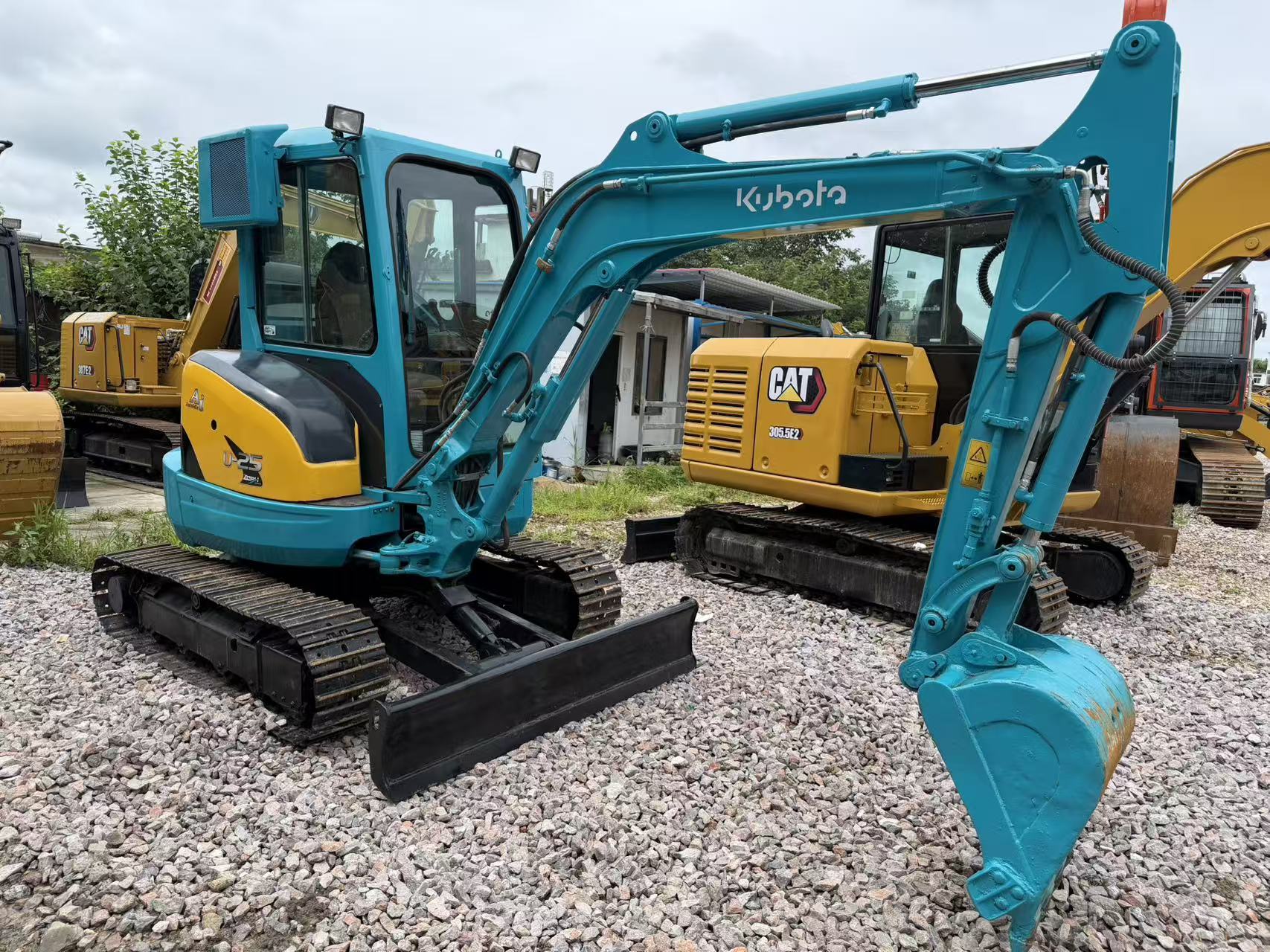
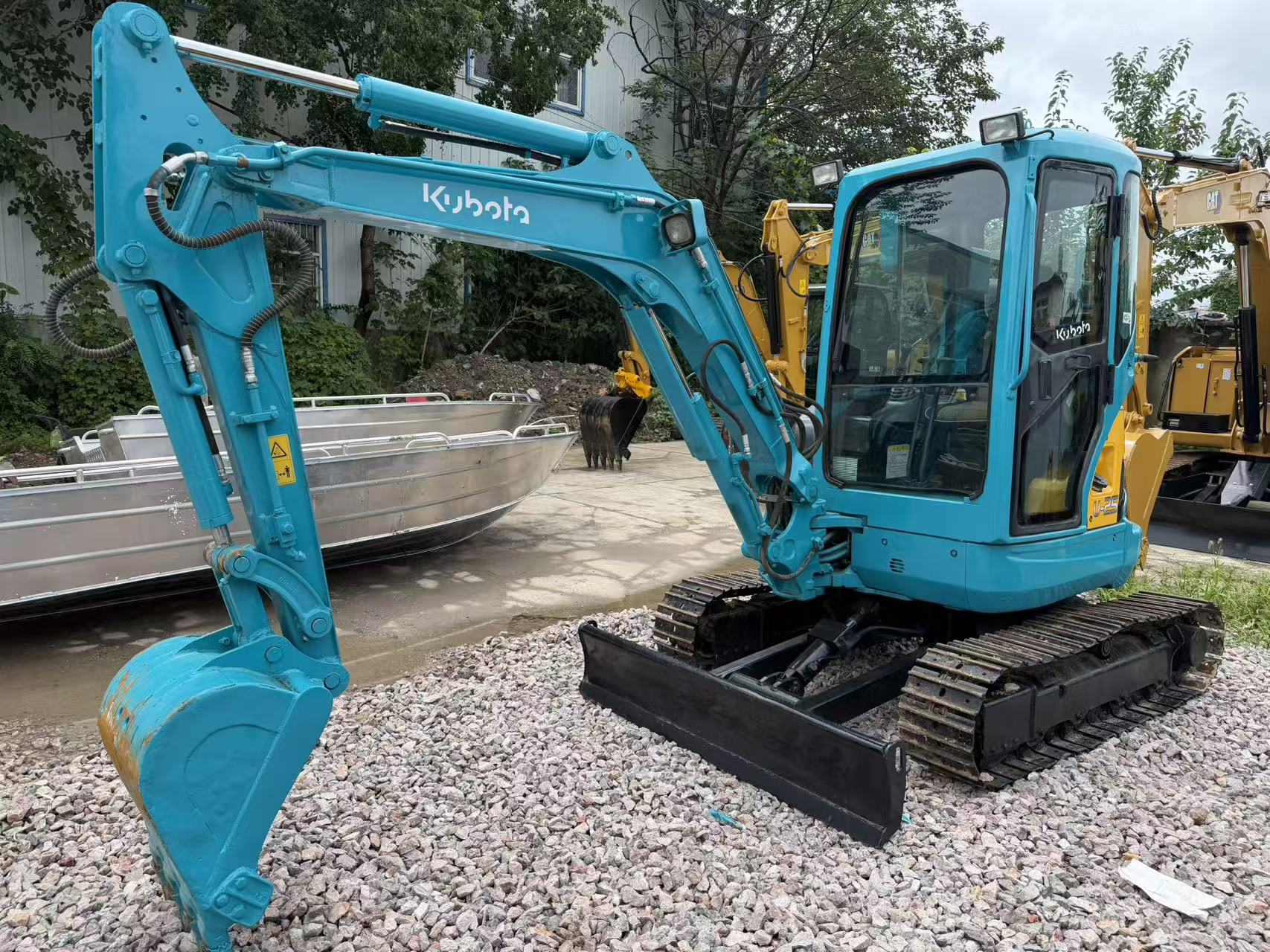
For instance, a Kubota mini excavator balances power and compact design for confined job sites. These machines navigate narrow passages while still delivering strong digging force. Thus, they become vital tools for landscaping and utility installation tasks. Beyond that, the build quality of these smaller units rivals their larger counterparts completely. Operators value the intuitive controls and excellent visibility from the comfortable cab. In turn, this reduces the learning curve for new team members. Moreover, the versatility of a Kubota mini excavator goes well beyond basic digging duties. Quick-attach systems enable rapid switching among buckets, breakers, and augers. Therefore, a single machine handles multiple roles throughout a typical workday. Additionally, lower ground pressure from tracked undercarriages reduces surface damage on finished landscapes. Property owners value this when work occurs near established gardens or paved areas. As such, contractors using this equipment often gain a competitive edge. Furthermore, these machines consume less fuel per hour compared to larger excavation units. Lower operating costs translate into stronger profit margins for small business owners. In this way, smart equipment choices directly support long-term business growth and stability.
Practical Selection Factors for Heavy Machinery
First of all, assessing typical digging depth and reach needs remains a critical starting point. Different projects call for varying boom setups and arm lengths. Accordingly, matching machine specs to actual job demands prevents costly purchasing errors. Meanwhile, transportation logistics deserve careful thought before finalizing any equipment purchase. Smaller models fit on standard trailers without extra permits or escorts. Consequently, mobilization costs stay low for contractors serving multiple distant job sites. Furthermore, parts availability and dealer support networks influence long-term ownership satisfaction greatly. Established brands keep extensive distribution channels across most regions. In this way, downtime shrinks when replacement components arrive quickly and efficiently. At the same time, total operating costs involve more than just comparing initial purchase prices. Fuel consumption rates and scheduled maintenance both affect the bottom line. Ultimately, a slightly higher upfront cost may bring significant savings over many years.
Long-Term Value Through Proper Equipment Care
Above all, consistent maintenance routines extend the service life of any heavy equipment. Daily inspections catch small problems before they become major mechanical failures. As a result, repair bills stay predictable and reasonable throughout the ownership period. Likewise, proper storage practices protect sensitive hydraulic parts from weather-related damage over time. Clean fluids and regular filter changes keep internal systems running smoothly and reliably. In the long run, these simple habits preserve resale value for future upgrades. Finally, operator training represents one of the most overlooked factors in equipment longevity. Skilled operators work more efficiently and cause less unnecessary wear on components. Therefore, investing in personnel development pays dividends across every single project.