Bulldozers for Sale: Get It Right on the First Try
News Details
How to Choose the Right Bulldozer for Your Next Project
Bulldozerssit at the heart of heavy equipment work. They clear land, build roads, and move earth that most machines simply can't. For most contractors, they aren't a luxury — they're the workhorse that keeps jobs moving day after day.
Why a Bulldozer Earns Its Place on the Job Site
Almost any serious earthmoving project starts with a dozer. One machine pulls out trees, breaks up rock, and knocks down old structures without much trouble. It also climbs slopes that other equipment struggles on, which makes site prep faster and — just as important — keeps fewer people off dangerous ground. Dozers are also about volume. A single pass can push several tons of soil, which is why road crews depend on them to lay down stable subgrades and why contractors turn to them for grading, backfilling, and demolition. Without one, you'd need several smaller machines to do the same job. The value isn't just raw power, though. Modern dozers come with GPS-guided grading and automated blade control, and that changes the math. Operators get better accuracy with fewer passes and less fuel, and new hires become productive a lot sooner than they used to.
What to Look At When You See a Dozer for Sale
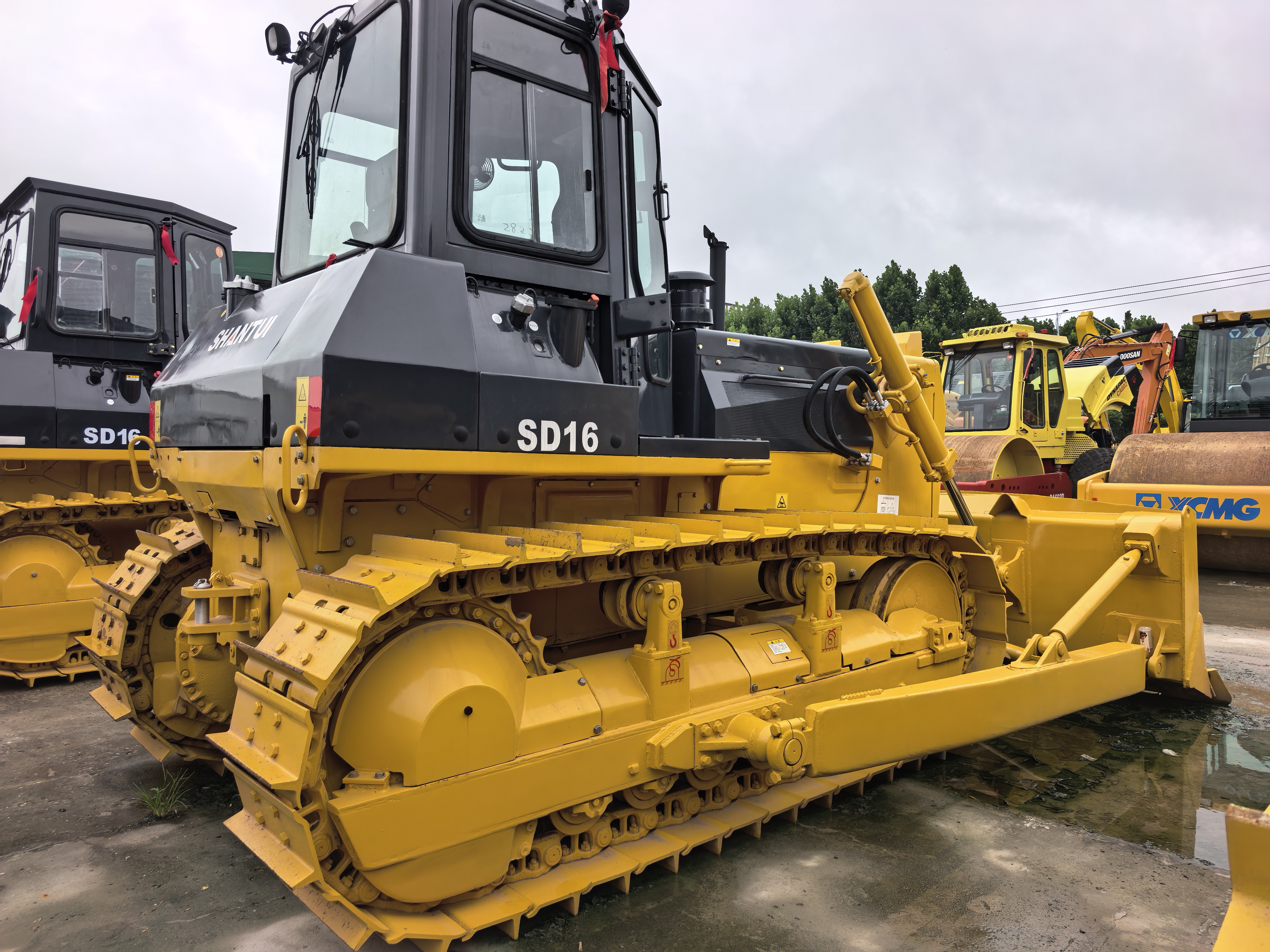
A used dozer can be a smart buy or an expensive mistake, and the difference usually comes down to how carefully you inspect it. Start with the undercarriage — it's the single most expensive part to replace. Track rails, rollers, and sprockets tell you how hard the machine has actually worked, and if you can, measure track depth with a gauge. Then go over the engine and hydraulic system. Check the oil color, listen for anything off, and ask to see the service records. A documented history usually means the previous owner took care of it; missing paperwork should be a red flag. Ask specifically about filter changes and maintenance intervals. Cross-check the hour meter against the machine's overall condition. A low-hour dozer that's heavily worn has probably been abused, while consistent maintenance logs tell a clearer story. Get every record the seller can produce, and look over the blade and ripper for cracks or signs of welding.
Why Caterpillar Dozers Stand Out
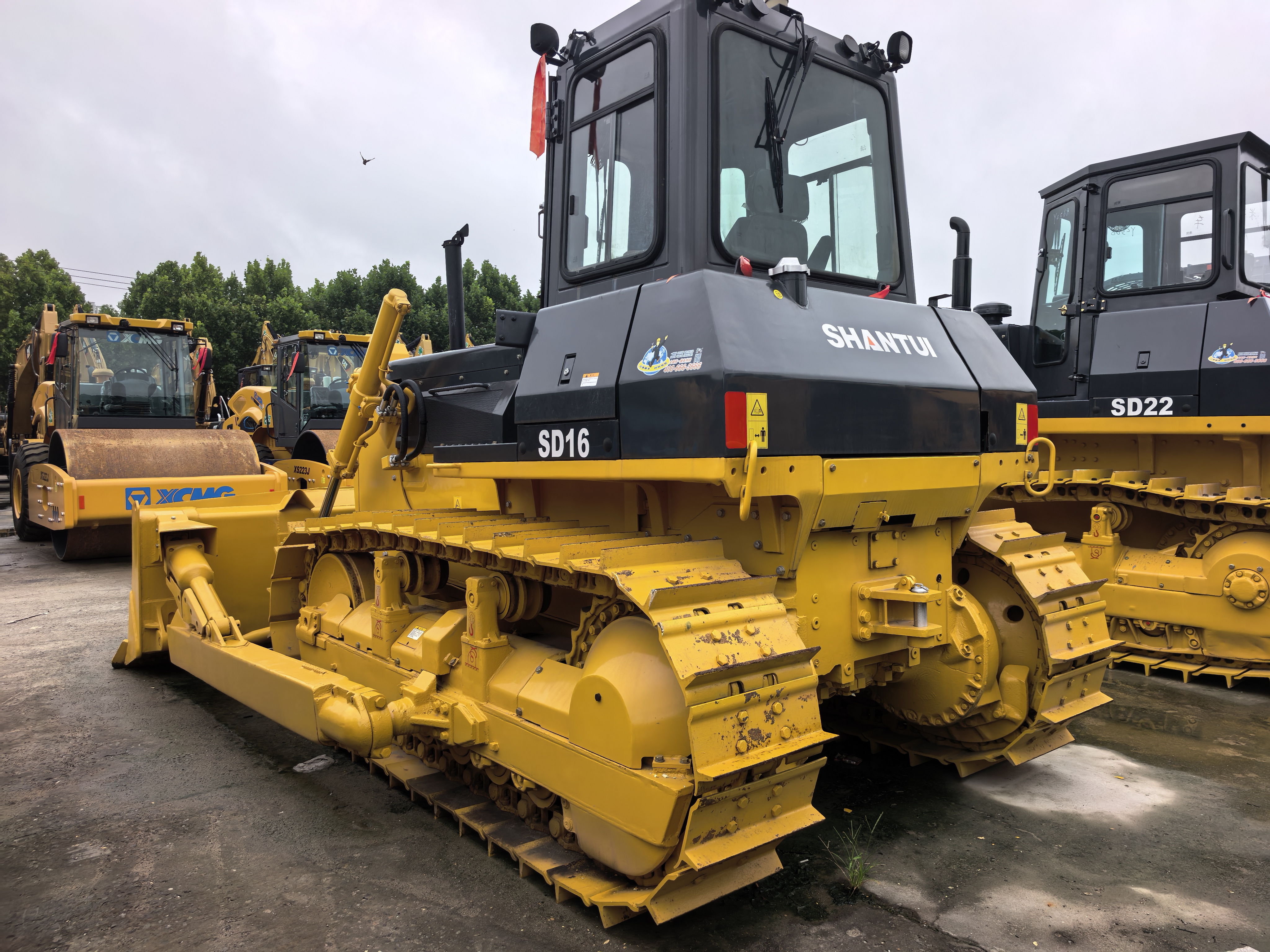
A lot of contractors gravitate to Caterpillar for demanding work, and it's not hard to see why. The frames are robust, the drivetrains are proven, and the machines take constant abuse. Cat also backs them with a global dealer network, so parts are available nearly anywhere on earth — which keeps downtime short even on remote sites. Resale is another point in their favor. Buyers recognize the name and trust it, and because many parts interchange across models and years, there's steady demand when you go to sell. Financing is also easier to arrange for a brand lenders know. That said, the brand alone shouldn't carry the decision. You still need to match size, horsepower, and blade type to your typical job site. The right dozer is the one that fits your workload — not just the one that fits your budget.
How to Make the Final Call
When you compare dozers, look past the sticker price. Add up fuel, transport, and expected maintenance, plus the cost of attachments and special tooling. That gives you a truer picture of what the machine will actually cost — because a low price can hide expensive repairs down the road. If you can, run the machine under real working conditions, ideally on your own site. But weigh dealer support as heavily as the machine itself: responsive service and available parts matter just as much as quality. And confirm the warranty terms before you sign anything. Finally, plan for the whole life of the machine. Regular service keeps any dozer productive for years, and proper storage protects the engine and undercarriage. Buy carefully and you'll have dependable equipment for a long time — the work you put into the decision up front is what prevents costly surprises later.