Caterpillar Excavator Sizes Guide: From Mini to Large Models
News Details
Why Caterpillar Excavator Sizes Matter in Construction
Selecting the appropriate excavator size directly determines job-site efficiency, operational safety, and overall project margins. Deploying an improperly sized machine leads to costly project bottlenecks, elevated fuel burn, and premature equipment wear. Caterpillar manufactures a broad spectrum of excavator size classes, ranging from compact mini excavators to massive production machines. Matching operating weight and digging force to specific site conditions ensures optimal bucket fill factors and balanced fuel economy. Right-sizing your fleet protects profitability while reducing job-site hazards. Operating oversized equipment in tight urban spaces creates unnecessary safety risks, whereas deploying an undersized machine on heavy earthmoving tasks leads to structural strain and missed deadlines.
Caterpillar Mini Excavators for Tight Spaces
Caterpillar mini excavators—typically under 10 metric tons—excel in confined urban environments, residential utilities, and detailed landscaping work where maneuverability and low ground pressure are essential. Featuring compact radius and zero-tail-swing designs, Cat mini excavators rotate freely alongside walls, structures, and active traffic lanes. High-flow auxiliary hydraulics support a wide range of work tools, including hydra-mechanical breakers, augers, and tilt-rotators. Logistics efficiency adds further value. Compact units load easily onto standard equipment trailers without requiring specialized oversize haul permits, lowering mobilization expenses across multiple job sites. Intuitive joystick controls and ergonomically engineered cabs minimize operator fatigue throughout long working shifts.
Big Caterpillar Excavators for Heavy-Duty Applications
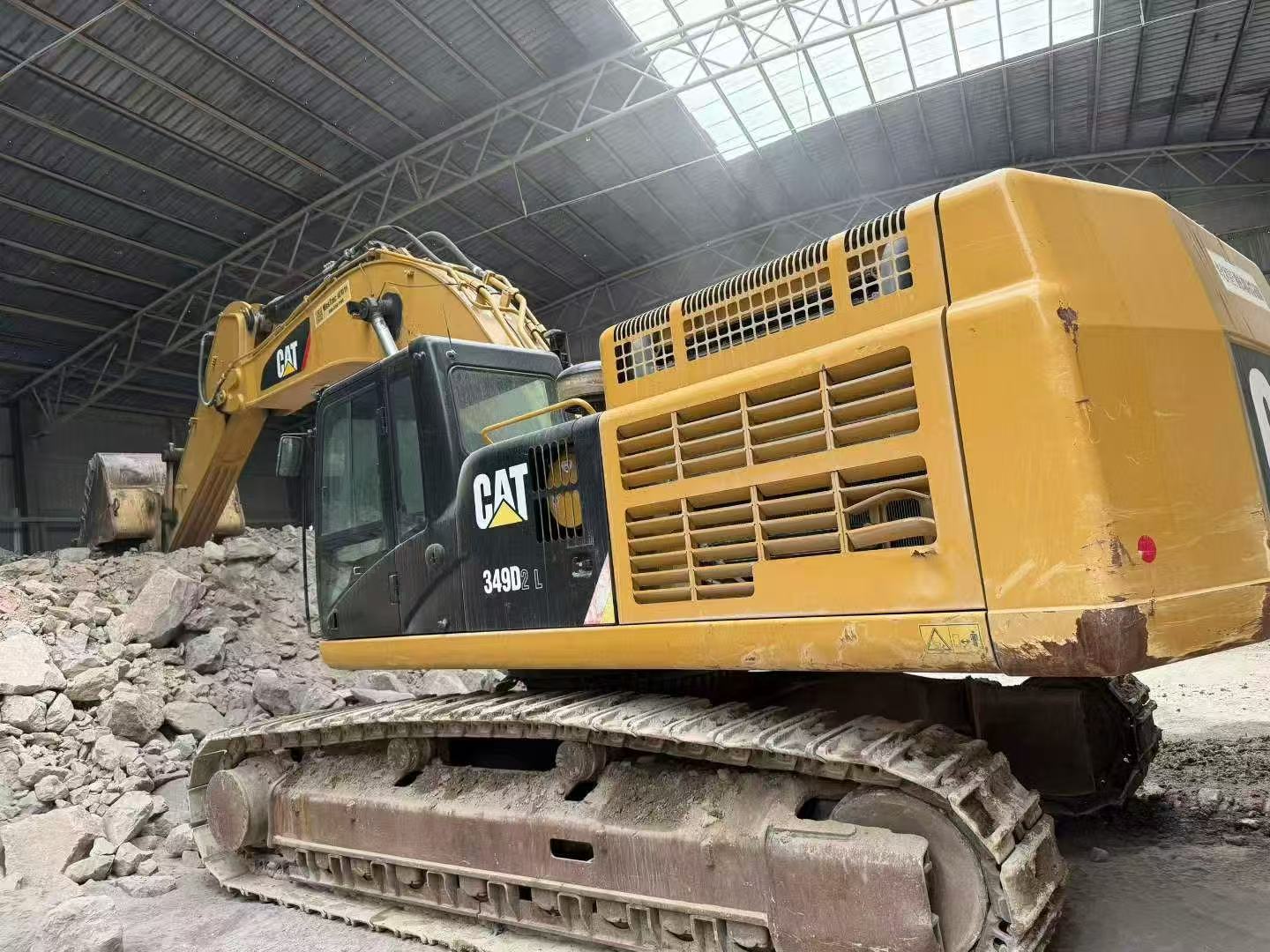
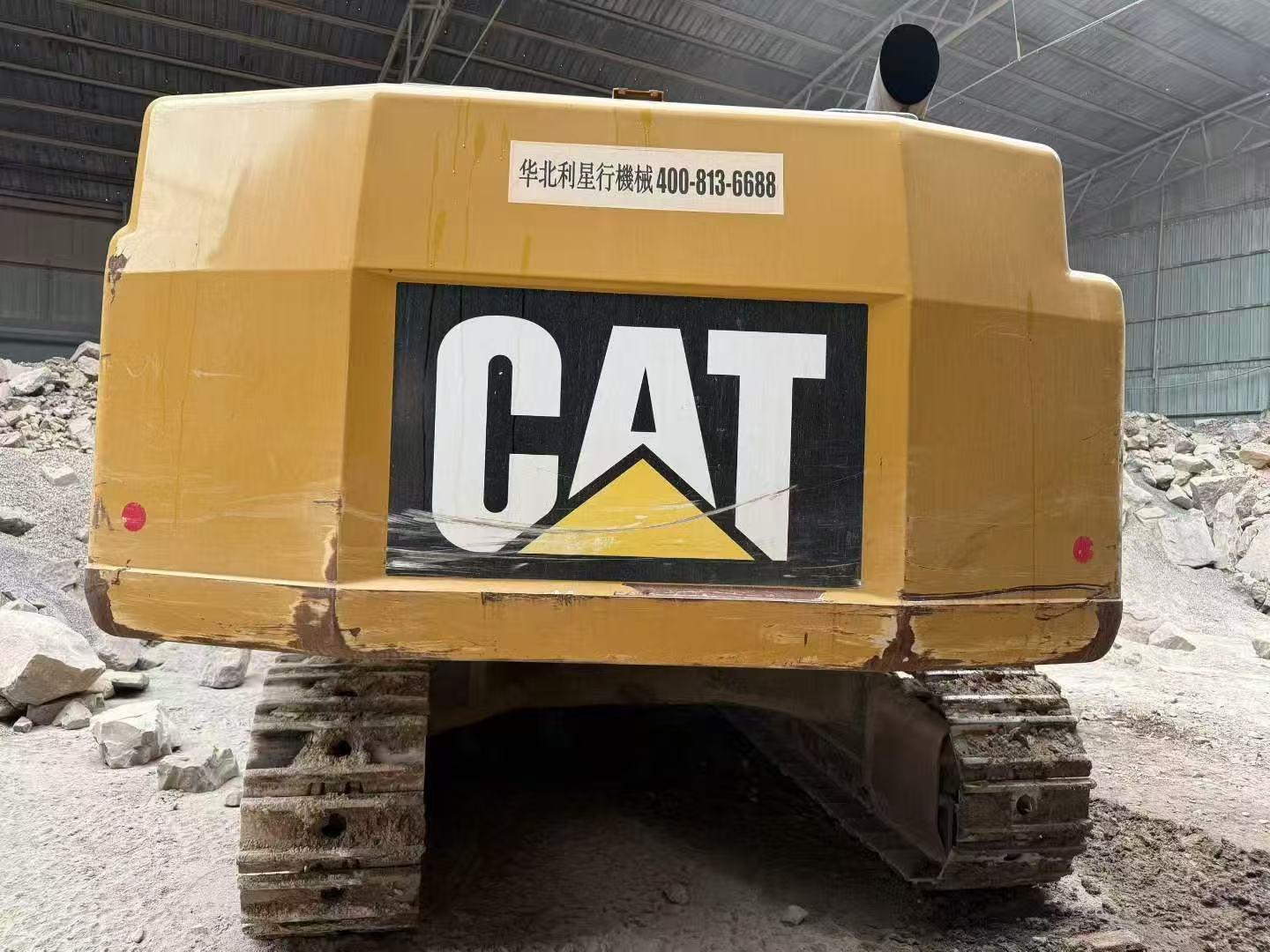
Large Cat excavators—often exceeding 40 metric tons—are engineered for mass excavation, heavy quarrying, mining overburden, and large-scale infrastructure development. These heavy-duty machines feature extended reach, deep digging capabilities, and high hydraulic flow rates that significantly reduce loading cycle times. Heavy-gauge track frames and reinforced booms provide maximum stability on uneven, rocky terrain. Integrated load-sensing hydraulics maintain steady breakout force under severe material resistance. Heavy-duty structures accommodate large-capacity buckets and high-impact hydraulic hammers, lowering cost-per-ton material handling rates and protecting long-term capital investment.
How to Choose the Right Caterpillar Excavator Size
-
Analyze Job Specifications: Evaluate required digging depth, dump clearance height, lift capacity, and soil density before reviewing size classes.
-
Factor in Transport & Site Constraints: Consider trailering requirements, permit regulations, site access gates, and ground bearing limits to avoid mobilization delays.
-
Account for Total Ownership Costs: Balance initial purchase price against hourly fuel burn, scheduled maintenance intervals, attachment compatibility, and regional dealer support.
-
Consult Equipment Specialists: Work with authorized dealer application specialists to run production simulations and secure the optimal tonnage for your core operational workload.