Medium Wheel Loader: A Practical Choice for Modern Job Sites
News Details
Medium wheel loaders are widely used in modern engineering sites. Located between compact models and large machines, they achieve a practical balance among lifting capacity, maneuverability, and operating costs. For contractors handling diverse tasks, this size class provides sufficient power without the high cost of much larger equipment.
However, selecting the right equipment requires more than comparing prices.
Machine size affects fuel consumption, cycle time, and site safety.
An appropriate loader should match the handled materials, available working space, and daily operational demands.
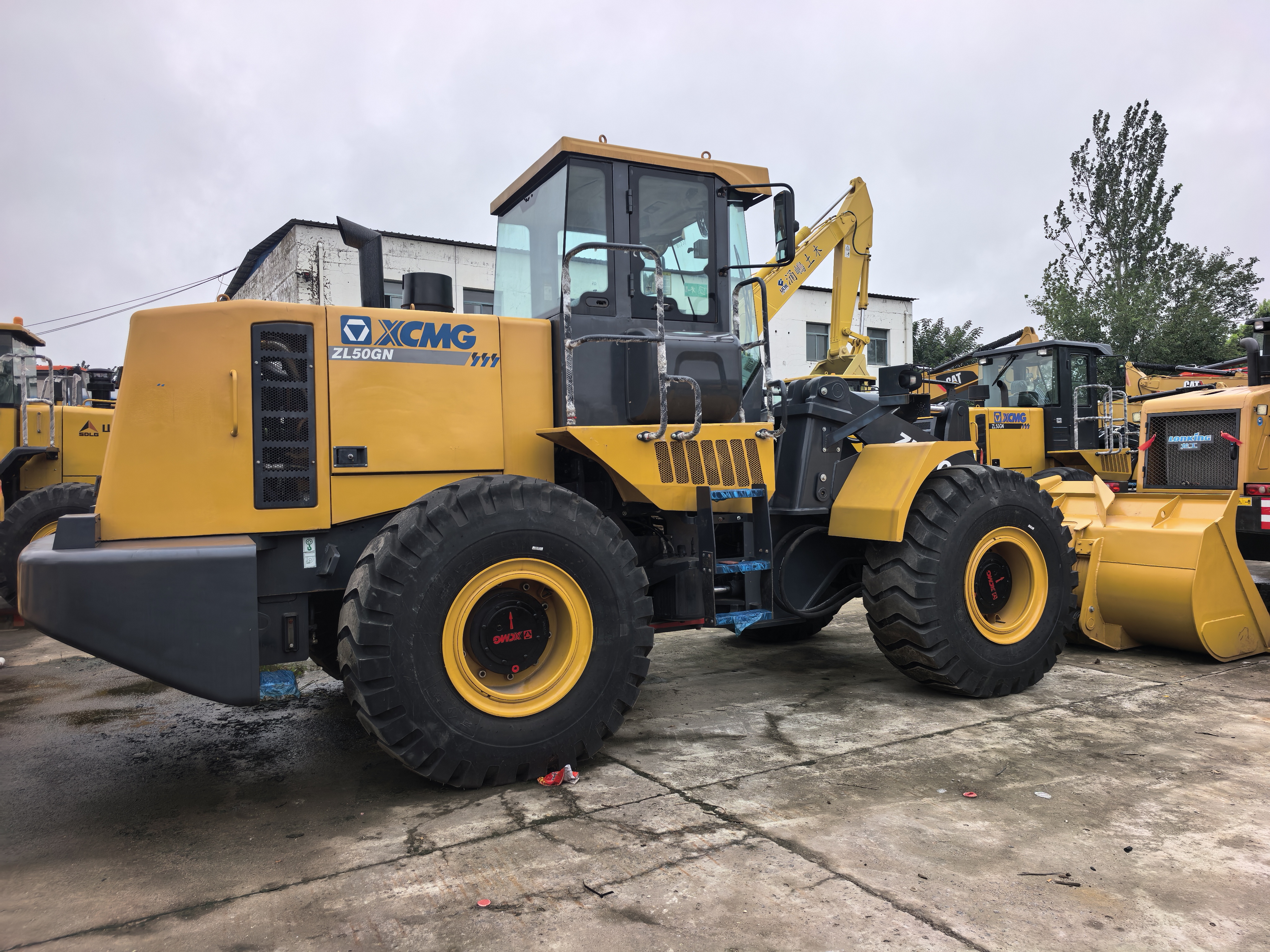 Reliable equipment supply and delivery planning also help buyers keep projects on schedule.
Why Medium Wheel Loaders Are Suitable for Expanding Fleets
Medium wheel loaders can handle various daily loading tasks. Compared with larger machines, they offer better economic efficiency for jobs that do not require maximum capacity. The combination of lifting power and easy operation makes them ideal for busy construction sites and material yards.
For example, road maintenance crews use these machines to move sand, gravel, soil, and construction debris.
A single loader can undertake multiple material transport tasks, reducing the need for multiple equipment and helping teams work more efficiently.
Site access is another important consideration. Medium wheel loaders can operate in areas where larger machines struggle, such as narrow entrances and confined yards.Their size also facilitates transportation between job sites, subject to machine dimensions and local transportation regulations.Rental companies can also benefit from this versatility.
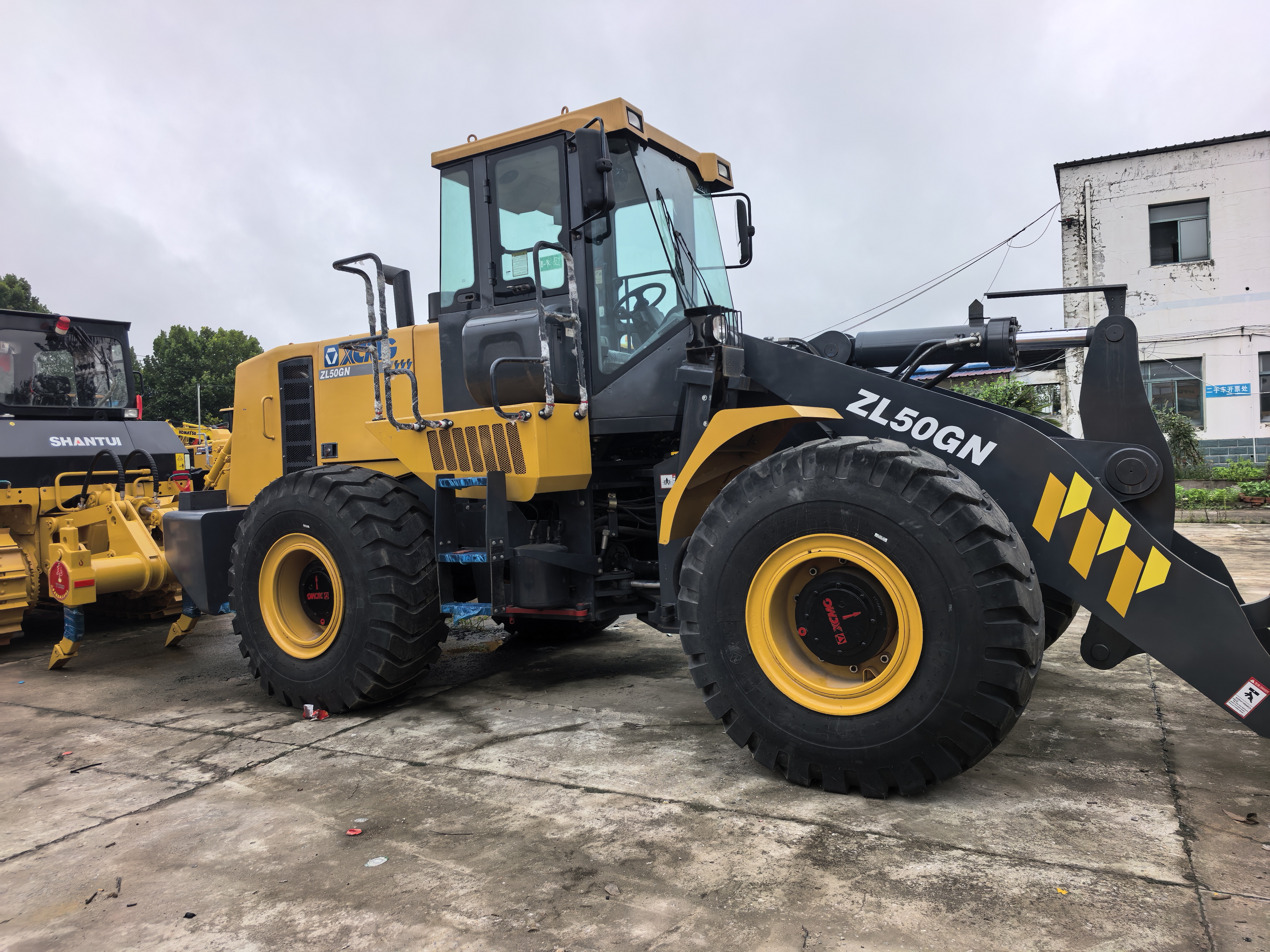 Many customers need a loader that can handle routine work without occupying too much space or consuming excessive fuel.This wide range of applications ensures medium wheel loaders remain relevant across different industries.Seasonal work adds to their value.In winter, loaders equipped with suitable buckets can remove snow and clear access roads.With appropriate tires and attachments, the same machine can support a wider range of tasks throughout the year.Key Features That Enhance Daily ProductivityThe performance of a medium wheel loader depends on more than just engine power.Lift arm design, bucket capacity, hydraulic performance, and machine balance all affect material handling efficiency.For example, Caterpillar medium wheel loaders feature established equipment designs, which buyers can consider when comparing hydraulic performance, durability, and service support.Operator comfort also impacts productivity.A well-designed cab with good visibility, practical controls, and effective noise reduction helps operators stay focused during long shifts.Clear sightlines are especially useful when loading trucks or working around other vehicles and ground personnel.Quick couplers increase machine versatility by allowing operators to switch between compatible attachments.Buckets, pallet forks, and other tools can support different tasks with less downtime between jobs.For contractors managing changing workloads, this flexibility reduces the need for additional equipment.Maintenance accessibility is equally important.Easily accessible filters, grease points, and service components simplify routine inspections.Regular maintenance helps identify wear early and reduces the risk of unexpected downtime.Hydraulic systems also influence fuel efficiency and cycle time.Load-sensing hydraulics, when equipped, can adjust hydraulic output to match operational demands.Since specifications vary by model, buyers should compare rated operating capacity, bucket options, breakout force, and fuel consumption before making a decision.Joystick controls and onboard displays further simplify daily operation.Depending on the model, operators can monitor essential machine information and control common functions with less physical effort.These features also make operator training more manageable.Choosing the Right LoaderComparing several medium wheel loaders is a reasonable first step when expanding a fleet.Caterpillar medium wheel loader models may appeal to buyers who value a well-established brand and service network, but the best choice depends on local parts availability, maintenance costs, and the machine's intended workload.Budget is another major factor.Used wheel loaders can offer lower upfront costs, provided their condition is carefully evaluated.Buyers should check operating hours, engine performance, hydraulic systems, tire wear, and maintenance records before committing to a purchase.Local dealers can also make a difference.Depending on the supplier, buyers may have access to financing, transportation, operator training, and after-sales service.Comparing the full package helps businesses understand the actual cost of putting a machine to work.It is also worth considering future requirements.A loader that meets current needs but lacks sufficient capacity for upcoming projects may become a limitation.Choosing a suitable operating capacity with room for growth helps avoid early replacement.Warranty coverage and service support deserve the same attention as purchase price.Terms vary by supplier and region, so buyers should confirm what is covered, the warranty duration, and where repairs can be performed.Attachments are another way to increase value.With compatible buckets, forks, and brooms, one medium wheel loader can handle different material handling and site maintenance tasks.This flexibility helps businesses control fleet costs while making better use of existing equipment.Conclusion on ValueMedium wheel loaders provide a practical combination of lifting capacity, maneuverability, and versatility for a wide range of tasks.Caterpillar medium wheel loaders are one option for buyers evaluating brand reputation and resale potential, although actual resale value depends on machine condition, service history, market demand, and operating hours.For contractors and material handling businesses, the right loader can simplify daily site operations.Its value comes not only from efficient material handling but also from manageable maintenance requirements and the ability to take on diverse tasks.Medium wheel loaders are suitable for businesses of different sizes, from small contractors to large fleet operators.Their applications include construction, road maintenance, aggregate handling, and general material transport.Selecting a model based on actual working conditions is more useful than choosing based on size or brand alone.When comparing machines, buyers should look beyond the initial purchase price.Fuel consumption, routine servicing, replacement parts, downtime, and expected resale value all contribute to the total cost of ownership.A machine with a competitive upfront price may not be the most economical choice over its service life.Safety should also remain a priority.Adequate visibility, functional safety systems, regular inspections, and proper operator training all contribute to safer operations.Even a well-equipped loader depends on operators who understand its limitations and follow site procedures.Telematics can provide additional support where available.By tracking machine location, operating hours, and equipment condition, fleet managers can plan maintenance more effectively and identify opportunities to improve utilization.Combined with the right machine selection, these tools help businesses keep equipment productive and projects on track.


