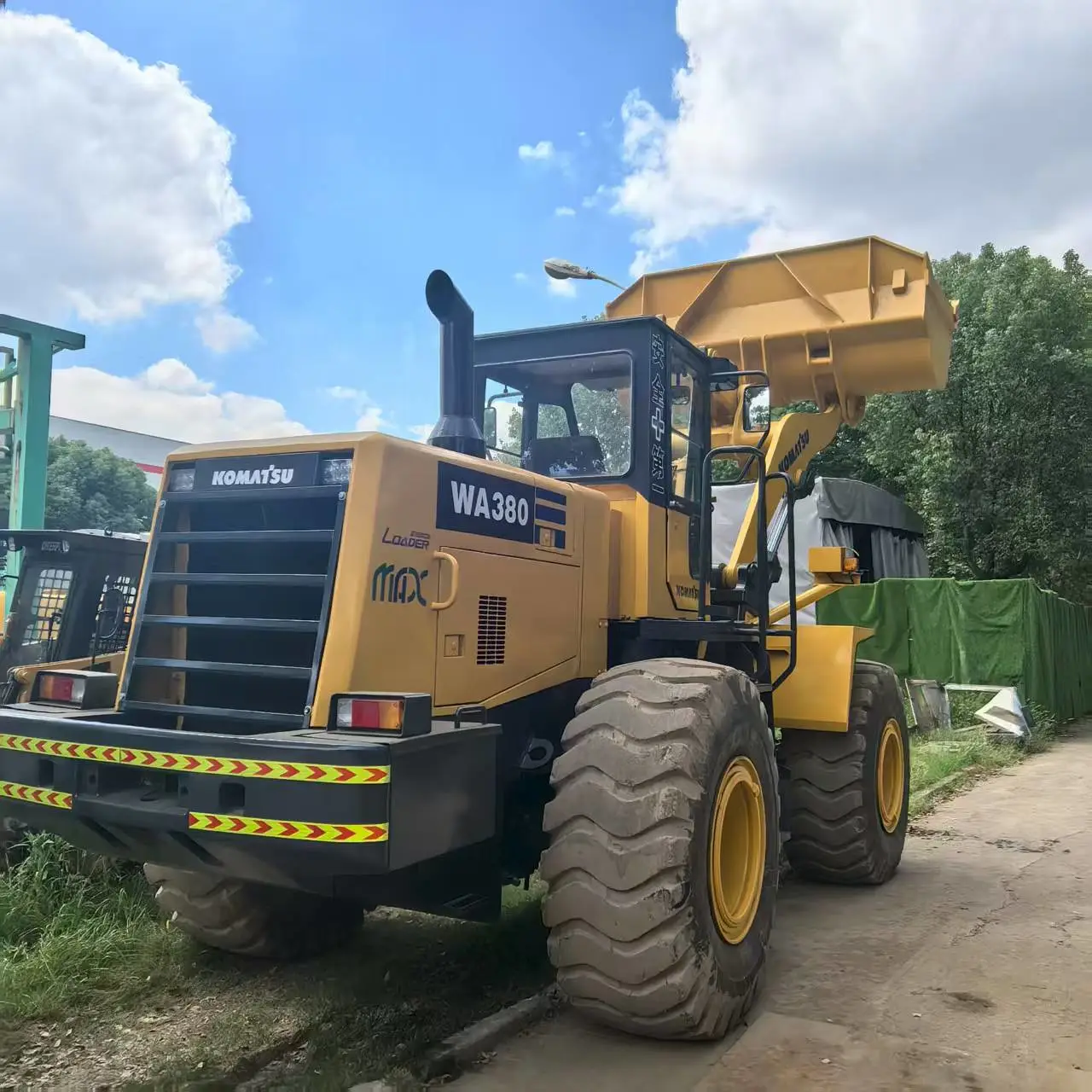
Medium Wheel Loader Buying Guide for Construction Projects
News Details
What Is a Medium Wheel Loader?
A medium wheel loader offers a balance between compact machines and larger loaders. It combines practical lifting capacity with manageable dimensions, making it suitable for routine loading, material handling, and stockpile work. These machines are popular for their versatility across different job sites. They can handle aggregates, pallets, and loose materials while remaining maneuverable in many working environments. For contractors who need one machine for multiple tasks, a medium wheel loader can be a practical investment. A sturdy frame and hydraulic system allow the machine to handle materials such as gravel, sand, and soil. Bucket capacity and breakout force vary by model, so buyers should compare specifications against their daily workload. Cab design also affects productivity. Good visibility helps operators position the bucket and monitor their surroundings, while accessible controls make routine operations easier to manage during long shifts. Responsive steering and smooth transmission performance can help operators move efficiently between loading and dumping points. Safety features, including visibility aids and appropriate access systems, should also be considered when selecting equipment.
Key Specifications and Job Site Applications
Medium wheel loaders typically combine useful bucket capacity with sufficient breakout force for common material-handling tasks. The right configuration depends on the material being moved, its density, and the required loading cycle. These machines are used for moving soil, loading trucks, feeding hoppers, and maintaining material yards. They can also serve agricultural, industrial, and municipal operations, provided the selected model meets the site's requirements. Attachments expand their capabilities beyond standard bucket work. Pallet forks, grapples, and sweepers can support different handling and cleanup tasks. Before adding an attachment, check its compatibility, hydraulic requirements, and effect on rated operating capacity. Machine dimensions, operating weight, and performance ratings vary between manufacturers and models. Compare bucket volume, tipping load, axle load, and overall dimensions to ensure the loader suits your application. Fuel consumption is another important factor, especially for machines operating over long shifts or busy seasons. Engine specifications, material density, idle time, and operator habits all affect fuel use. Evaluating these factors helps buyers estimate realistic operating costs.
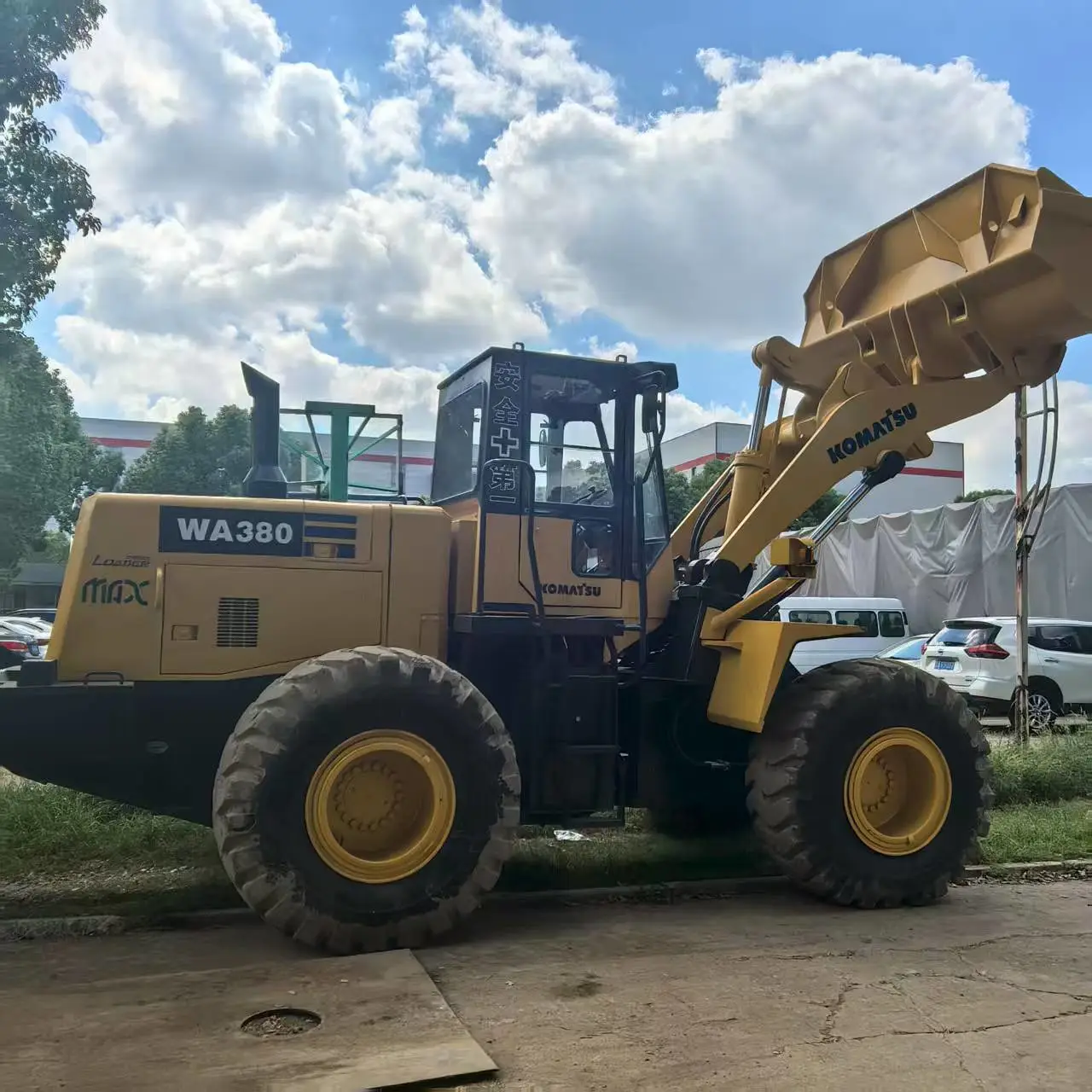
Why Choose Cat and Caterpillar Medium Wheel Loaders?
Cat medium wheel loaders are designed for material-handling applications across construction and other industries. When comparing models, buyers should assess machine performance, maintenance requirements, parts availability, and local dealer support. The Caterpillar medium wheel loader range includes models with different capacities and configurations. Familiar control layouts and accessible service points may simplify operator training and routine maintenance, although specific features vary by model. Available fleet management tools can also help businesses monitor machine usage and maintenance needs. Used equipment can be a cost-effective option, particularly when the machine has a well-documented service history. Check operating hours, maintenance records, hydraulic performance, and drivetrain condition before purchasing. Resale value depends on the model, machine condition, and local market demand. Long-term ownership costs are easier to manage when maintenance is planned properly. Confirm the availability of filters, wear parts, technical documentation, and qualified service technicians before committing to a machine. Dealer networks can provide access to genuine parts and technical support, depending on the region. Buyers should also review warranty coverage carefully, including its duration, exclusions, and the components covered.
Practical Buying Tips for Construction Buyers
Start by identifying your typical load weights, material types, and required bucket capacity. Then consider site access, overhead clearance, and working space. These factors help narrow down the appropriate medium wheel loader size. Compare new and used machines from reputable dealers. Request detailed specifications, operating hours, and service records. For used equipment, inspect the tires, pins, hydraulic system, and articulation joints, and arrange a professional assessment when possible. Before signing a purchase agreement, clarify warranty terms, operator training, and after-sales support. Ask about parts availability and expected delivery times, especially if the machine will be essential to daily operations. Look beyond the initial purchase price when calculating your budget. Fuel, tires, routine servicing, repairs, and potential downtime all contribute to the total cost of ownership. A realistic cost estimate makes it easier to compare different machines. Finally, request a demonstration before making your decision. Testing the loader under realistic working conditions helps you assess visibility, comfort, maneuverability, and loading performance. This hands-on evaluation can help confirm whether the machine is suitable for your daily operations.