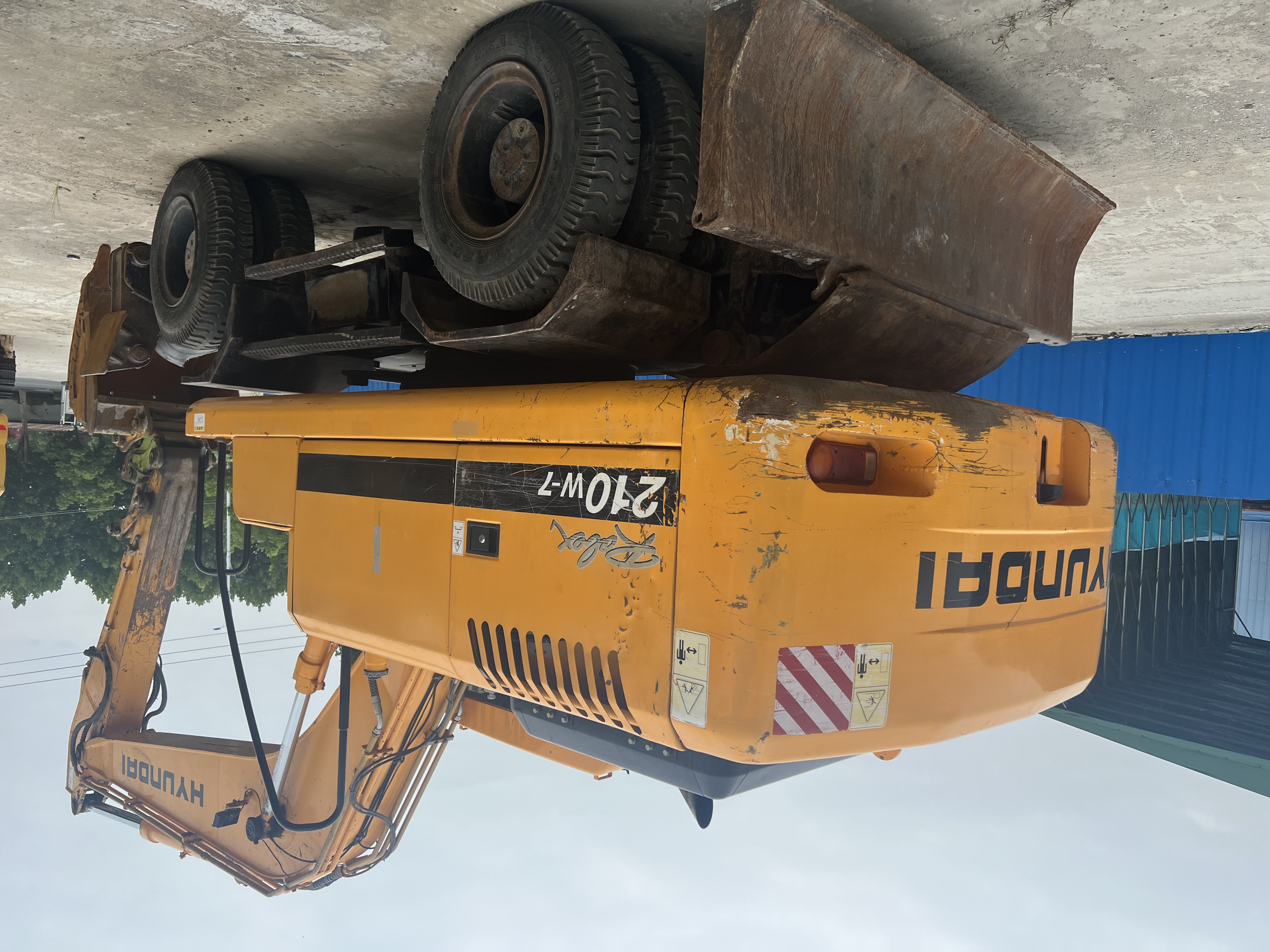
The Complete Guide to Choosing a Wheeled Excavator
News Details
The Complete Wheeled Excavator Guide
Construction teams face constant pressure to finish projects faster, making the unmatched mobility of a wheeled excavator a key advantage over tracked machines. By driving directly between work sites, operators save valuable hours on every transfer. Standard units travel at normal road speeds without needing a special trailer. This cuts logistics costs dramatically and allows the machine to start working the moment it arrives on site. Stability remains exceptional despite the rubber tires. Heavy duty outriggers lock the chassis firmly into place before digging begins, ensuring precise trenching even on hard or uneven ground. High travel speeds also reduce the need for support vehicles. Crews can move the machine across working zones in minutes, whereas tracked models typically require a low loader for the same trip. Fuel consumption drops significantly as transit time shrinks. Less idling and shorter haul times save real money, helping the wheeled excavator pay for itself quickly on busy projects. Contractors also appreciate the reduced road damage. Rubber tires protect asphalt and concrete surfaces, making standard urban jobs much simpler with a gentler ground footprint.
The Compact Wheeled Excavator for Tight Urban Spaces
Urban job sites demand equipment that fits small spaces. A compact wheeled excavator operates easily in narrow streets and confined yards, without ever sacrificing digging power. These machines deliver impressive breakout force for their size, easily handling utility work, drainage lines, and landscaping tasks. Their smaller footprint also keeps surrounding traffic disruption to a minimum. Operators benefit from clear sight lines and intuitive controls, allowing new crew members to master the machine quickly and safely. This ease of operation makes compact models a top choice for rental fleets across the industry. Compact units park conveniently in tight storage areas, which is essential on space limited city sites. A compact wheeled excavatorcan tuck neatly beside a delivery truck without blocking active lanes. The machine is equally well suited for indoor demolition. Its low height and narrow profile allow easy access through standard doorways, while versatile attachments expand its daily workload. This adaptability makes it a essential tool for utility contractors. Water, gas, and telecom crews rely on this equipment daily, using quick change systems to swap attachments in seconds.
The Rubber Tire Excavator for Speed and Comfort
A rubber tire excavator combines dependable traction with a smooth ride. Pneumatic tires absorb shocks that would shake a crawler machine, while standard models deliver fast travel speeds and responsive steering. Maintenance costs stay lower than those of comparable track systems. Tires wear slowly on paved roads and hard surfaces, meaning municipal crews replace them far less often than traditional tracks. Versatility defines this machine class. Quick couplers allow operators to swap attachments rapidly on site, moving smoothly between bucket, breaker, and grapple work without losing momentum. Operator comfort improves with rubber tire suspension. Reduced vibration minimizes fatigue over long shifts, keeping crews productive from morning to evening. Proper tire pressure checks extend tread life even further. Daily inspections catch minor wear before it causes downtime, and replacing worn tires remains far cheaper than rebuilding a full undercarriage. Highway travel between projects becomes routine since these machines meet legal road speeds in most regions. Standard lights and mirrors ensure every journey remains safe and legal.
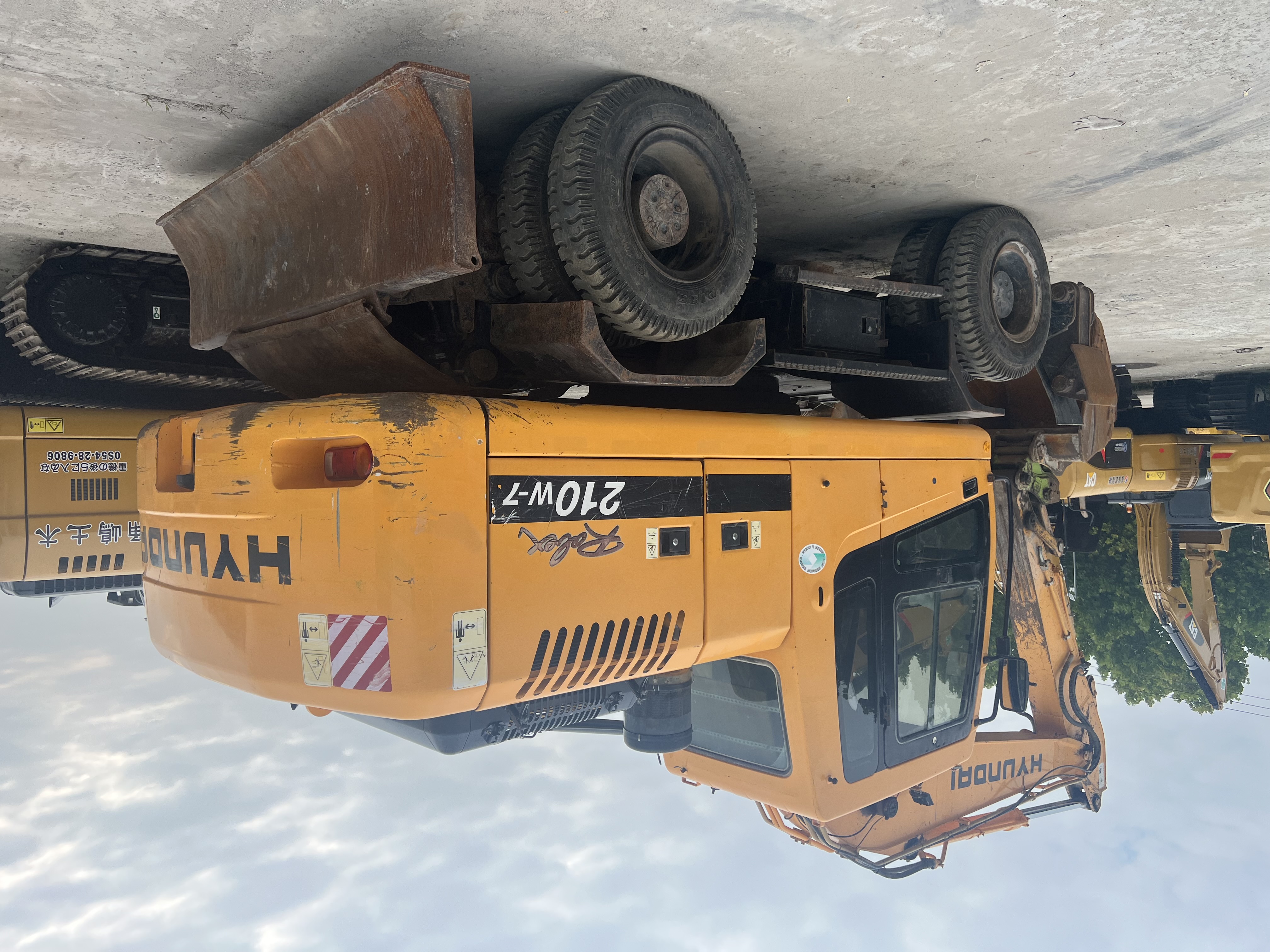
Choosing the Right Wheeled Digger for Your Fleet
Matching machine capacity to actual job demands is crucial. Selecting a wheeled digger with the right specifications prevents wasted fuel and unnecessary downtime, so review operating weight, digging depth, and engine output carefully. Evaluating local dealer service networks is just as important before buying. Reliable service support maintains high uptime during peak seasons, while consistent parts availability keeps long term ownership costs down. Always test machines under real working conditions. Direct testing allows operators to evaluate cab comfort, visibility, and control responsiveness firsthand, ensuring the final choice balances price, performance, and after sales support. Consider the range of compatible attachments available for each model. Equipping a wheeled digger with buckets, grapples, and hammers expands its overall utility, often replacing the need for several single purpose tools. Check the cab layout for daily usability. User friendly controls reduce operator training time and errors, while standard features like air conditioning maintain comfort through long working days. Review warranty coverage and recommended service intervals before committing to a purchase. Clear warranty terms protect your investment over time, and dealer proximity makes a big difference when urgent maintenance arises. The right wheeled excavator boosts fleet efficiency immediately. By combining speed, power, and low operating costs, smart buyers can choose this versatile machine with total confidence.