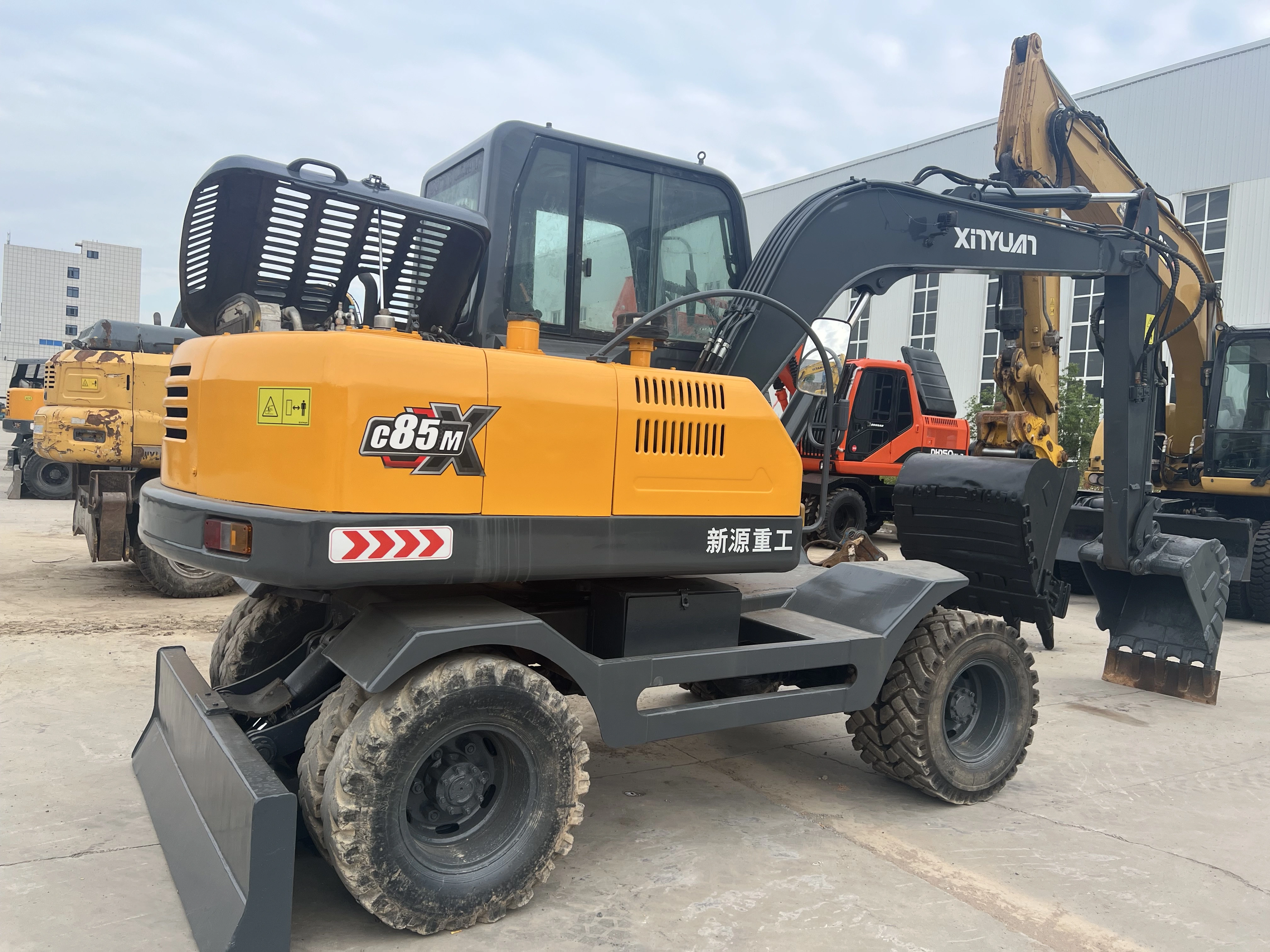
Wheeled Excavator Buying Guide: Mobility, Performance, and Practical Tips
News Details
Why Choose a Wheeled Excavator
A wheeled excavator delivers an exceptional balance of digging power and high-speed mobility, allowing contractors to move quickly between separate work areas without relying on heavy transport trucks or flatbed trailers. A single operator can drive the machine directly down public roads between nearby job sites, eliminating transport fees and scheduling delays. Furthermore, rubber tires protect finished asphalt and concrete surfaces from the damage typically caused by steel tracks, making these units the preferred choice for municipal utility crews, road maintenance teams, and urban contractors who must meet strict surface-protection guidelines.
Tire Excavator vs. Tracked Machines
Choosing between a tire excavator and a tracked unit depends heavily on the ground conditions of your primary job sites. A rubber tire excavator excels on hard surfaces like concrete, paved roads, and compacted dirt, providing faster travel speeds, lower long-term maintenance costs, and a smoother ride for the operator. Tracked excavators remain superior for navigating steep slopes and deep mud, but they require lowboy trailers for transport and leave heavy marks on finished pavement. For contractors handling mixed urban projects, a wheeled machine significantly reduces daily travel time and simplifies routine maintenance.
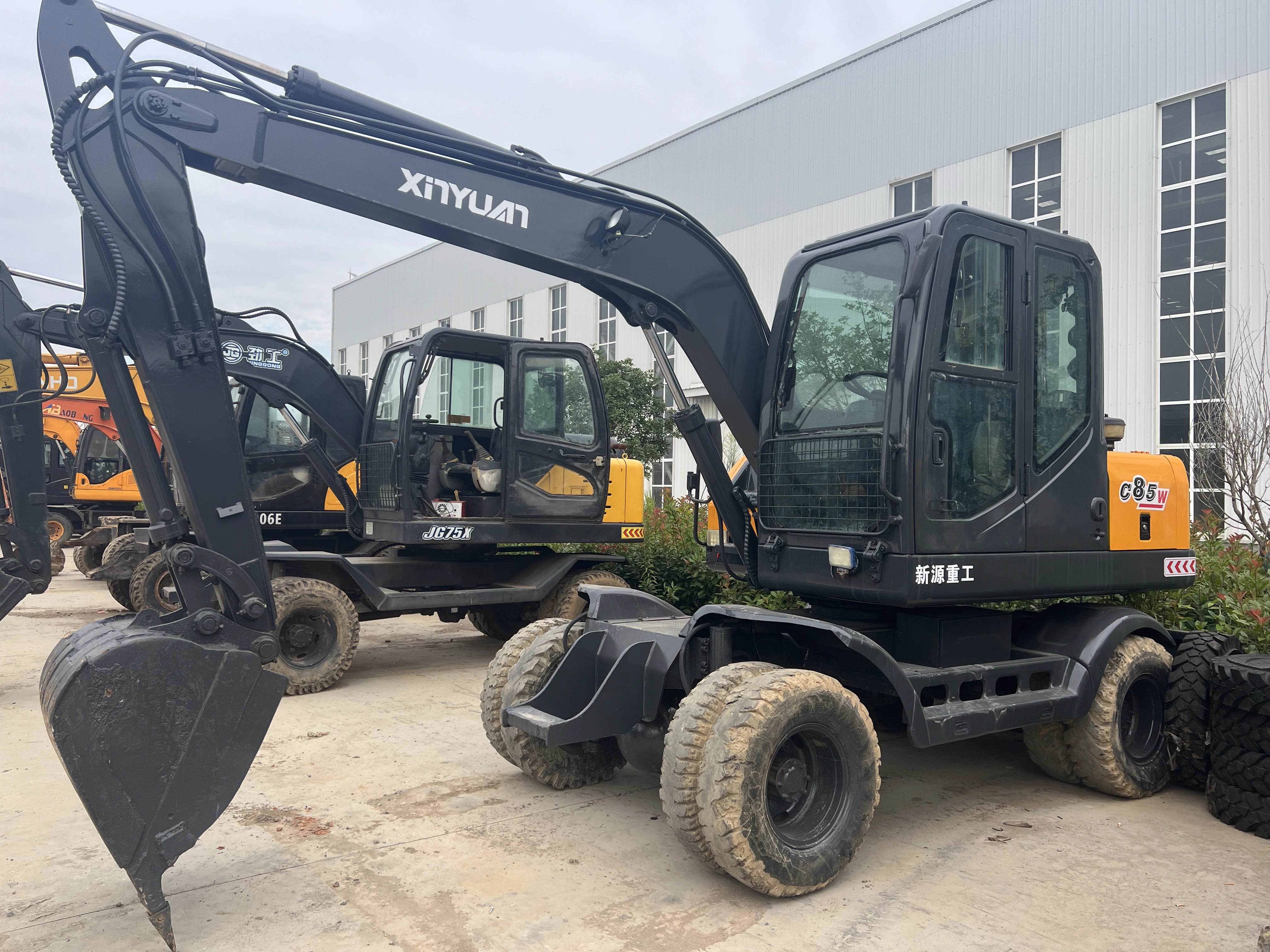
The Compact Wheeled Excavator Advantage
For work in restricted environments, a compact wheeled excavator offers superior maneuverability without sacrificing hydraulic output. Its narrow frame and short turning radius allow operators to navigate tight city streets, alleyways, and low-clearance utility zones with total confidence. These compact units generate less noise and fuel consumption, making them well-suited for residential utilities, sidewalk repairs, and urban trenching. Equipment rental companies and small utility contractors frequently rely on compact models because they provide high versatility, low operating costs, and easy transport across busy metropolitan areas.
How to Select the Right Rubber Tire Excavator
Selecting the ideal rubber tire excavator requires matching key performance metrics—such as operating weight, maximum digging depth, and lifting capacity—to your typical daily workload. Evaluating dealer service networks is equally critical, as fast access to local spare parts, certified technicians, and comprehensive warranty coverage keeps maintenance costs predictable. Finally, request hands-on site demonstrations to test operator visibility, cab ergonomics, and hydraulic responsiveness under actual working conditions, ensuring your equipment investment yields reliable productivity for years to come.