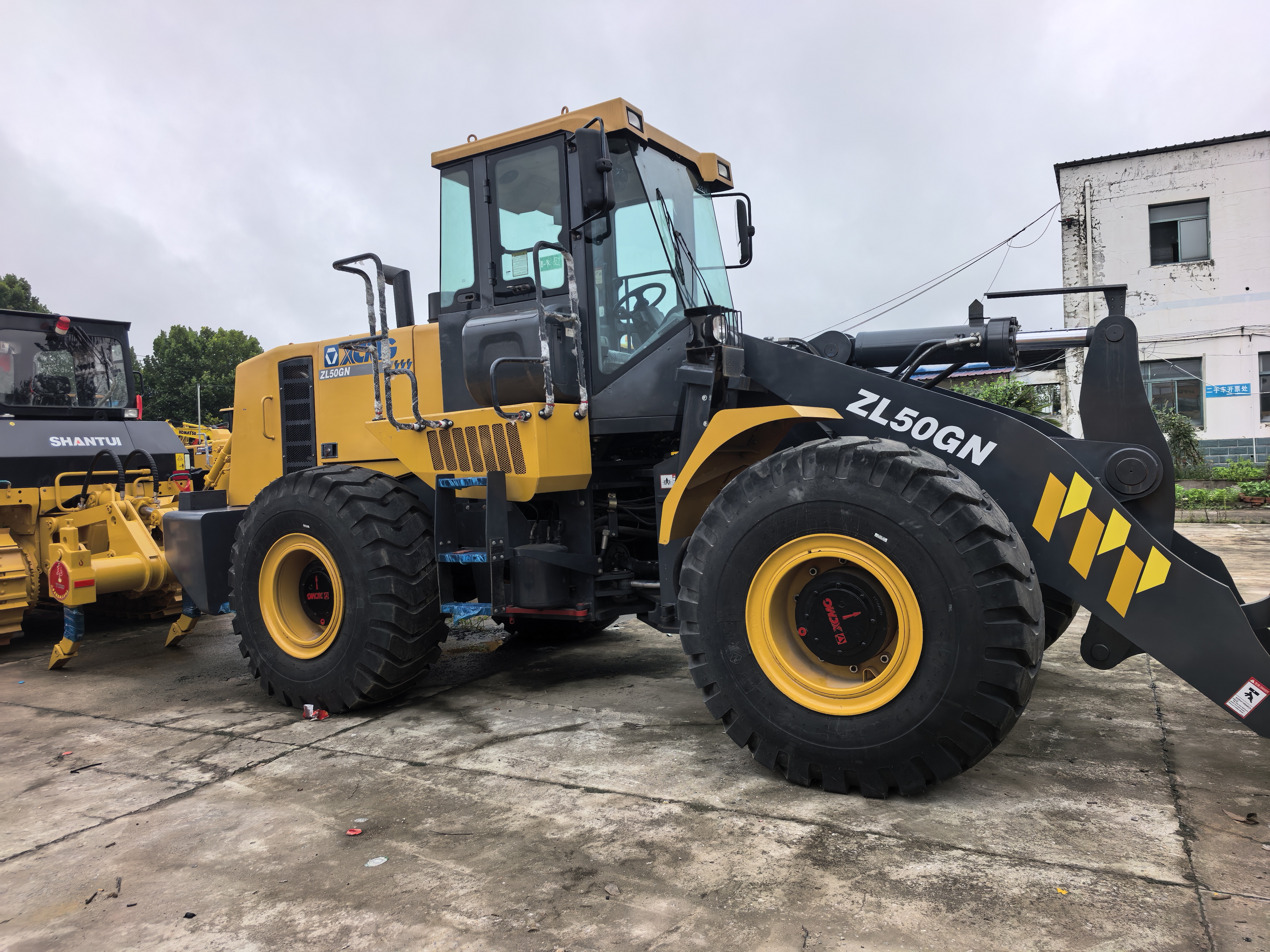
Why B2B Buyers Choose Reliable Loaders
News Details
Wheel loaders are the workhorses of any modern job site. They move heavy loads fast, keep operators comfortable, and simply get the job done—which is why buyers keep coming back to them. Today’s loaders are much better on fuel than older models, but at the end of the day, durability is what drives buying decisions. Plus, strong resale value keeps your capital protected down the road. A trusted brand gives you high uptime and few surprises. When maintenance is simple and predictable, fleet managers can actually budget without guessing. Operator comfort matters more than people think. A tight, comfortable cab and easy controls mean operators don't get worn out—and a fresh operator gets way more done in a shift. The real trick is matching the machine to the actual job. A standard loader handles daily work without burning extra fuel, while over-specifying just wastes money and yard space.
Compact Wheel Loader Benefits for Tight Sites
Compact wheel loaders are built for tight spots, but they still pack a punch when it comes to payload. Plus, their smaller size makes them a breeze to haul from site to site. Urban contractors deal with tight spaces every day. Compact units easily squeeze into alleys and gates that full-size machines can't touch, helping teams hit their deadlines without headaches. Adding compact models gives a fleet real flexibility. That said, full-size loaders are still king for heavy excavation, so the smartest move is usually a mix of both. Operators also pick up compact units fast. The learning curve is short, training is straightforward, and new hires can get to work right away.
Tractor Loader Versatility Across Operations
Tractor loaders bring a great mix of power and practical handling. They tackle dirt, gravel, and snow effortlessly, and quick-change attachments make them useful for almost anything. Of course, versatility doesn't mean much if the frame can't take a beating. A solid, well-built frame absorbs site shocks so the machine can run long shifts without breaking down. These loaders easily handle daily utility tasks, yet still have the muscle for heavy lifting. In many fleets, one good tractor loader does the work of two or three single-purpose tools. Swapping attachments takes just a few minutes on site. Still, for specialized jobs, you'll want dedicated gear, so build your fleet around the work you actually do every week.
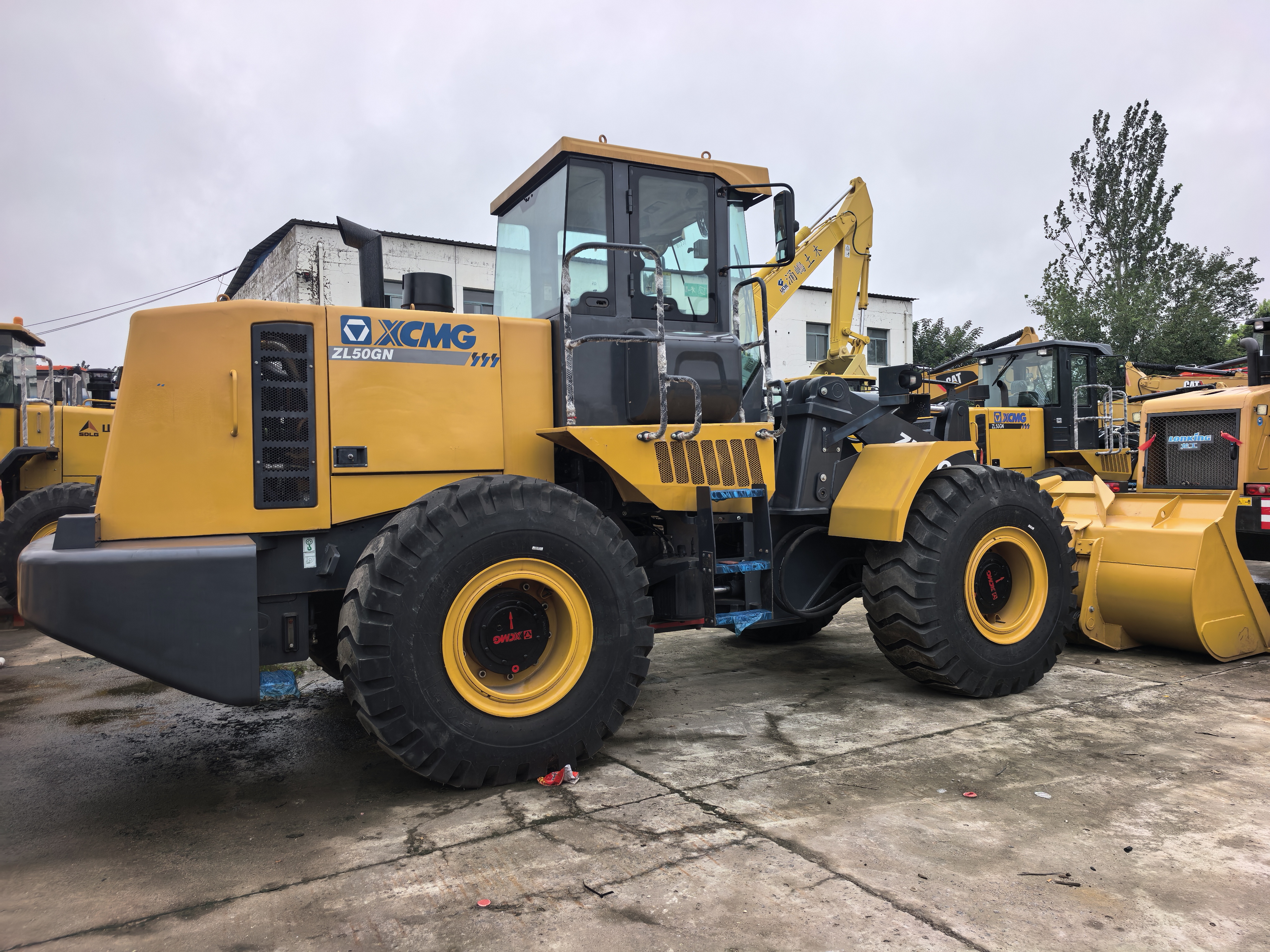
Choosing Durable Wheel Loaders for Your Fleet
Buying a loader is a long-term commitment. Before signing anything, check out the dealer’s service network and make sure replacement parts are actually available in your area. Don't let the sticker price decide for you. Look at actual performance data to see what the machine will really cost you over its lifespan, and always ask suppliers for full spec sheets. Take time to check out the cab and see how easy it is to reach daily service points. Ask tough questions about warranty terms and dealer support, then get a demo on a real job site. A good loader pays for itself through steady, reliable work. Just make sure you size it right to avoid paying for capacity you don't need—when in doubt, talk it through with an equipment specialist. At the end of the day, reliable machines protect your business image. Good equipment delivers consistent results, and that’s what builds long-term trust with your clients. Most solid brands now cover major components with multi-year warranties, and extended coverage can save you from big repair bills. Always look at the Total Cost of Ownership before pulling the trigger. Finally, ask the dealer for local customer references. Vendors with proven machines will happily put you in touch with current owners, and real feedback beats marketing claims every time.