Caterpillar Excavator: Models, Sizes, and Buying Guide
News Details
The Legacy of Caterpillar Excavators
Caterpillar excavators have shaped heavy equipment for decades now. They are known for durability and strong performance worldwide. Furthermore, they remain a top choice for contractors everywhere. These machines deliver steady power across many job sites each day. In addition, their engineering reflects years of careful innovation. As a result, they offer unmatched reliability in tough work environments. Many operators trust caterpillar excavators for demanding earthmoving tasks. Moreover, the brand keeps pushing technology forward with every model release. Consequently, fleet managers prefer them for long-term equipment investments. The global dealer network provides strong support for these machines. Meanwhile, parts availability stays consistent across all major global markets. Thus, downtime remains quite low for most owners and operators. Training programs help crews learn safe operation of these machines. For this reason, many companies invest in certified operator courses early on. In turn, job site safety and output both improve quickly.
Key Caterpillar Excavator Sizes and Applications
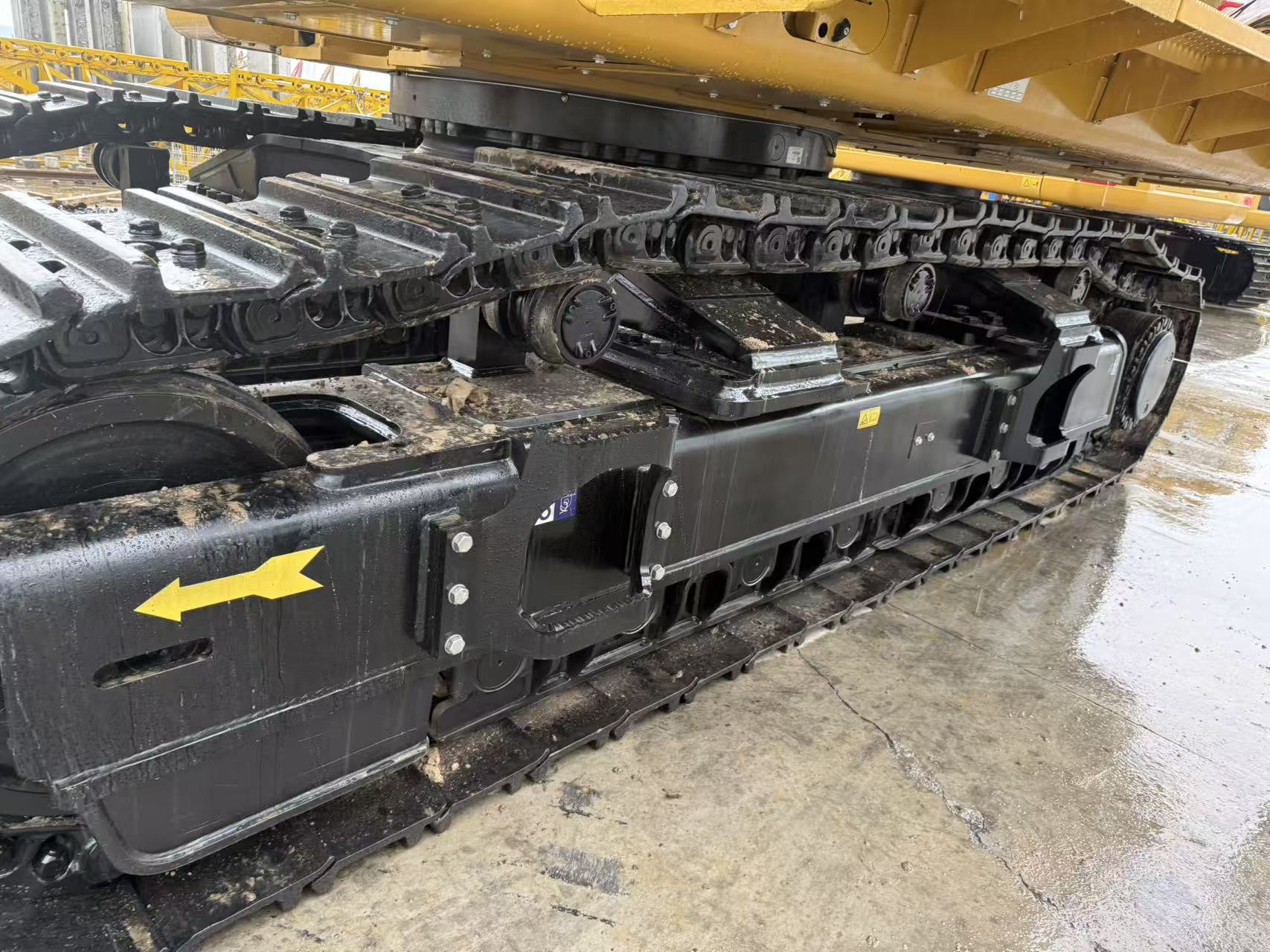
Understanding caterpillar excavator sizes is vital before choosing a model. Mini units weigh under ten tons for tight urban job sites. Meanwhile, large models exceed ninety tons for major mining operations. Medium machines handle most general construction needs with real ease. For example, the twenty-ton class works well for road and bridge building. In contrast, small units fit backyard projects and tight spaces perfectly. Each size class comes with specific boom and arm configuration options. Additionally, different undercarriage types affect stability and ground floatation. Therefore, buyers must match the machine size to their exact job demands. Operators should check the dig depth of each model quite carefully. Similarly, the lift capacity matters a great deal on pipe and utility jobs. Ultimately, the right size choice boosts both safety and daily efficiency. The smallest models excel at landscaping and light demolition work. Meanwhile, heavy models tackle rock breaking and mass excavation tasks. In short, no single size fits every type of project equally well.
Finding a Caterpillar Excavator for Sale
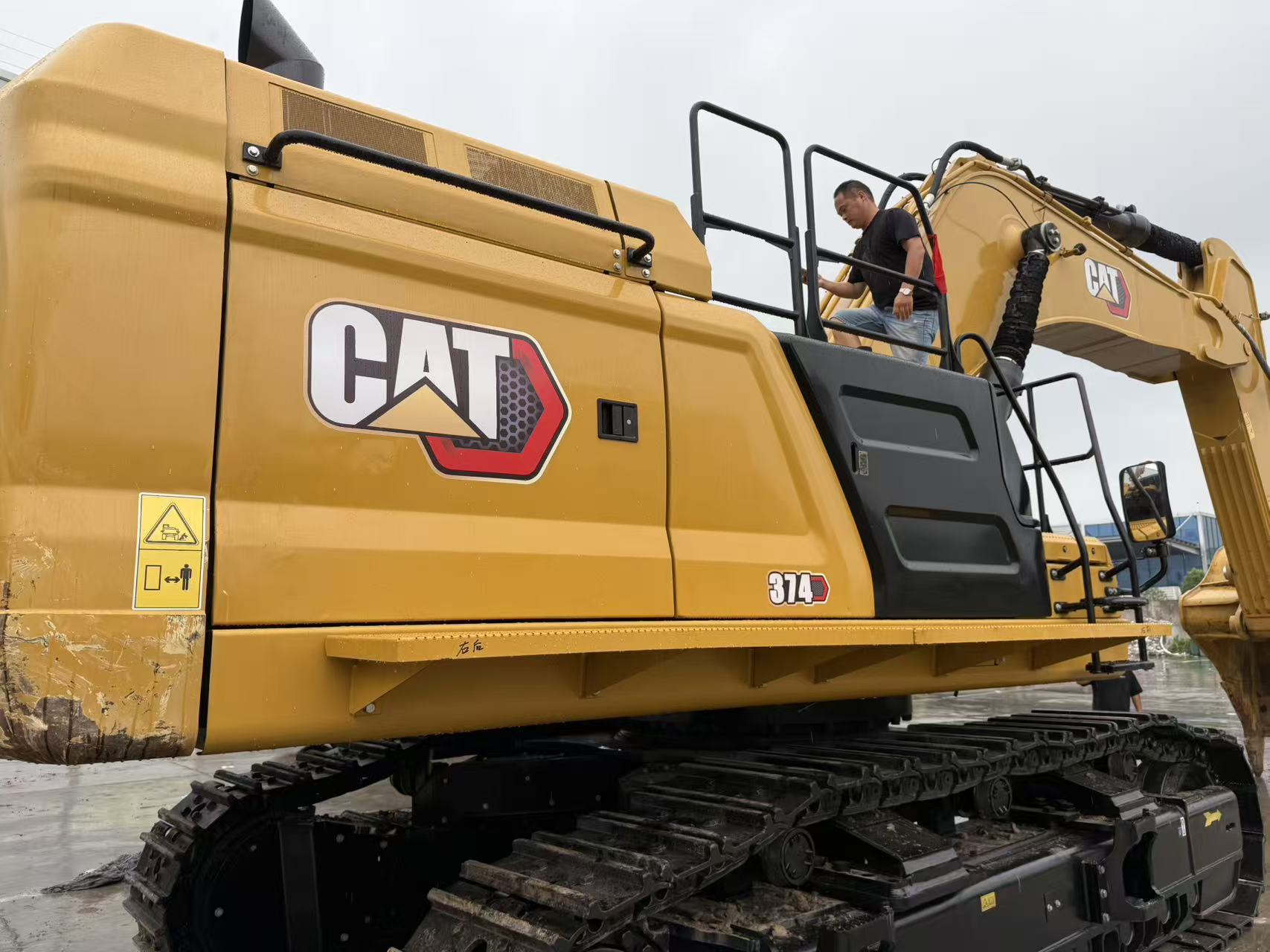
Locating a caterpillar excavator for sale requires some smart upfront research. First, check authorized dealers for new machines with full factory warranties. Second, explore online auctions and markets for quality used deals. New units offer the latest features along with zero prior operating hours. However, used models can deliver great value at much lower prices. In fact, many used units still have thousands of solid work hours left. Always request a full service history before you finalize any purchase. Additionally, arrange an on-site inspection by a trained heavy equipment mechanic. This way, you can avoid hidden and costly problems later on. Financing options exist through dealers and third-party lending partners alike. Moreover, leasing is another flexible path for shorter term project needs. Consequently, many firms find a budget-friendly solution without much trouble at all. Import regulations can vary a great deal between different countries. Therefore, check your local import rules before buying from overseas sellers. This simple step saves both time and money in the long run.
Making the Right Investment Decision
Choosing among caterpillar excavators is a major business decision overall. First and foremost, define your core project needs and project timeline clearly. Next, compare the specs across two or three suitable model options. The total cost of ownership goes well beyond the initial sticker price. For instance, fuel use and maintenance costs add up significantly over time. Similarly, resale value plays a big and important role in planning. Talk with current owners to get honest real-world feedback directly. Furthermore, consult your local dealer for model-specific performance data reports. In the end, informed buyers make much smarter and safer equipment choices. A well-chosen machine pays for itself through many years of work. Therefore, take your time and evaluate all of the available data points. After all, this investment will shape your fleet for many years ahead. Regular maintenance keeps your machine running at its best possible level. In addition, genuine parts extend the service life quite significantly. Thus, a strong maintenance plan should always be part of the deal.