Small Excavator Guide: Caterpillar Mini Excavators vs Big Caterpillar Excavators for Your Project
News Details
Understanding the Role of a Small Excavator in Modern Construction
A small excavator has become an indispensable asset across residential, commercial, and municipal construction projects. First and foremost, its compact dimensions allow operators to navigate tight spaces that larger machinery simply cannot access, such as urban alleys, indoor renovation sites, and landscaped areas where preserving existing terrain is a priority. Unlike their full-size counterparts, these machines deliver impressive digging force while minimizing ground disturbance and fuel consumption, and contractors also benefit from significantly lower transportation costs since a small excavator can be towed behind a standard pickup truck without requiring specialized permits or escort vehicles. As infrastructure demands continue to grow in densely populated regions, the versatility of a small excavator makes it the go-to solution for contractors who need to balance power with maneuverability. In many cases, the decision to invest in compact equipment stems from the need to complete projects efficiently without compromising on professional-grade performance, making it a strategic choice rather than merely a budgetary one.
Key Advantages of Caterpillar Mini Excavators for Compact Job Sites
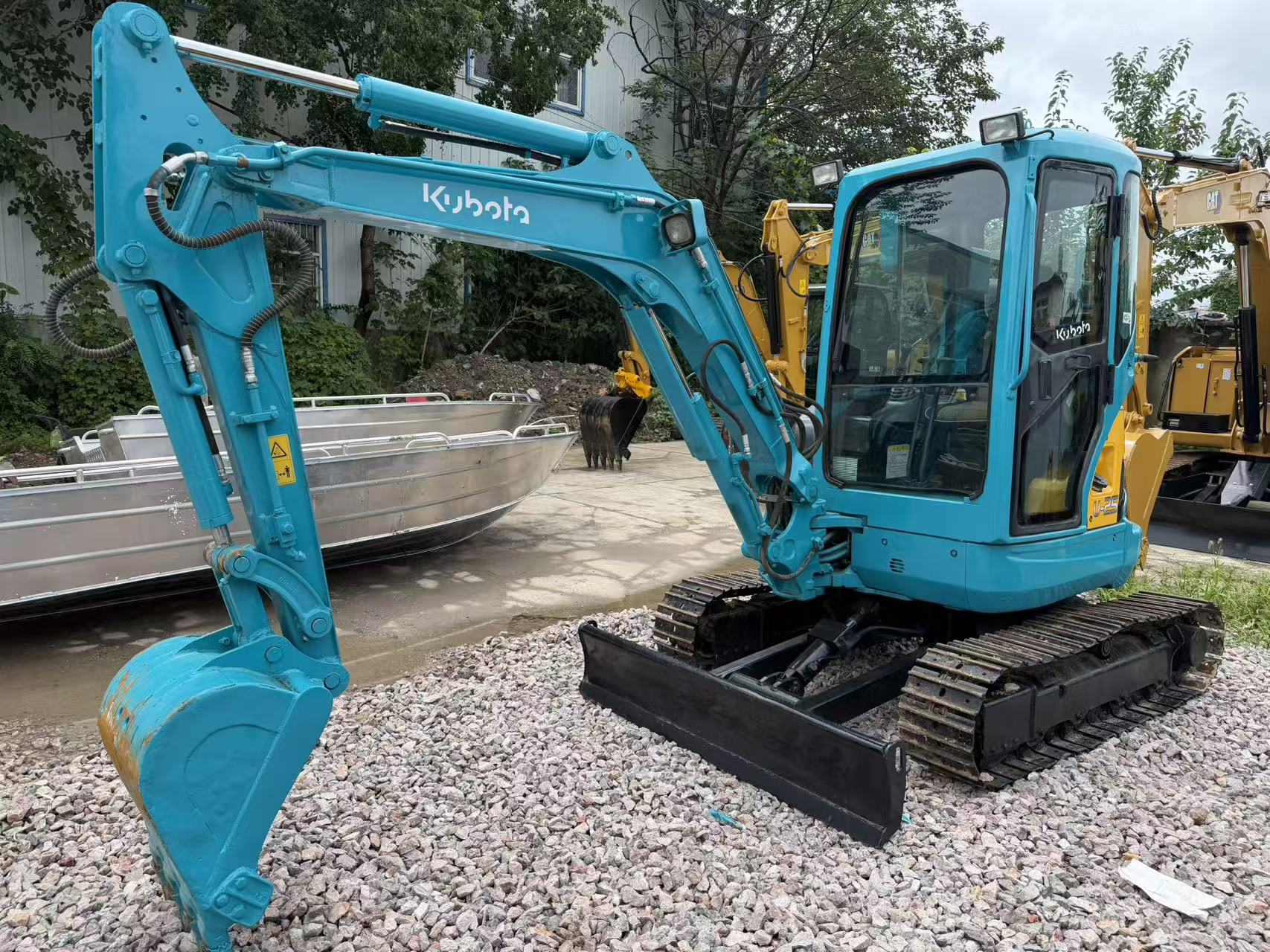
Caterpillar mini excavators represent one of the most trusted lines of compact machinery in the global construction market. To begin with, these units are engineered with advanced hydraulic systems that provide smooth and precise control, enabling operators to execute delicate tasks such as trenching near utility lines or grading around foundations with remarkable accuracy. The reduced tail swing design found in many caterpillar mini excavators further enhances their ability to work in confined environments without risking damage to surrounding structures. Additionally, their transport-friendly weight and size mean that contractors can move them between job sites using standard trailers, eliminating the need for specialized heavy-haul logistics, while the availability of a wide range of attachments including augers, breakers, and thumbs further extends their utility across diverse applications from landscaping to light demolition. For this reason, businesses that frequently handle residential landscaping, small-scale demolition, or utility installation projects consistently prefer caterpillar mini excavators as their primary earthmoving equipment.
When Big Caterpillar Excavators Become the Better Investment
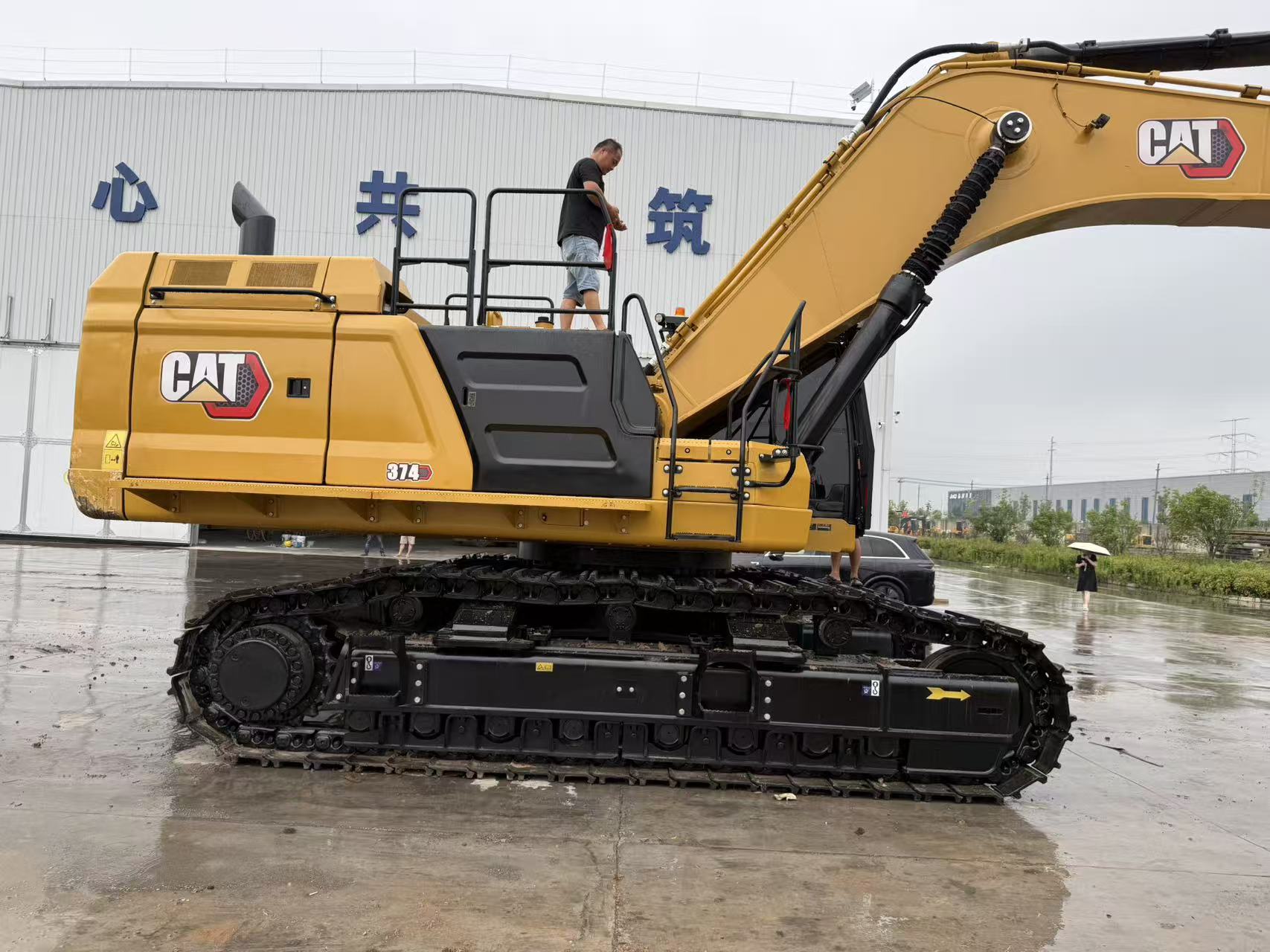
While compact models offer undeniable flexibility, there are projects where big caterpillar excavators deliver substantially greater value. For starters, large-scale operations such as highway construction, deep foundation excavation, and quarry work demand the higher breakout force and deeper digging depth that only full-size machines can provide. Big caterpillar excavators are built with reinforced structures and heavy-duty components designed to withstand continuous operation under extreme conditions, which translates into longer service intervals and reduced downtime. Their larger bucket capacities also mean fewer passes are required to move the same volume of material, significantly improving overall productivity on earthmoving-intensive projects. Moreover, these machines are equipped with advanced telematics and monitoring systems that provide real-time data on fuel usage, engine health, and maintenance schedules, giving fleet managers greater control over operating costs while the superior lifting capacity allows them to handle heavy attachments and materials that would exceed the limits of any compact model, making them indispensable for industrial-grade applications.
Making the Final Decision Between Compact and Full-Size Excavators
The choice between a small excavator and a larger model ultimately depends on a careful assessment of project requirements, site conditions, and long-term business strategy. Contractors who primarily serve residential clients or work in urban environments will find that caterpillar mini excavators offer the ideal combination of accessibility and capability, while those engaged in heavy civil engineering should look toward big caterpillar excavators for their unmatched power and durability. One practical approach is to analyze your average project scope over the past twelve months and determine which machine size would have been utilized most frequently. Another important consideration is the total cost of ownership, which includes not only the purchase price but also fuel consumption, maintenance expenses, transportation logistics, and the availability of qualified operators and service support in your region. By weighing these factors objectively, equipment buyers can select the excavator class that maximizes return on investment while meeting the operational demands of their specific market segment.