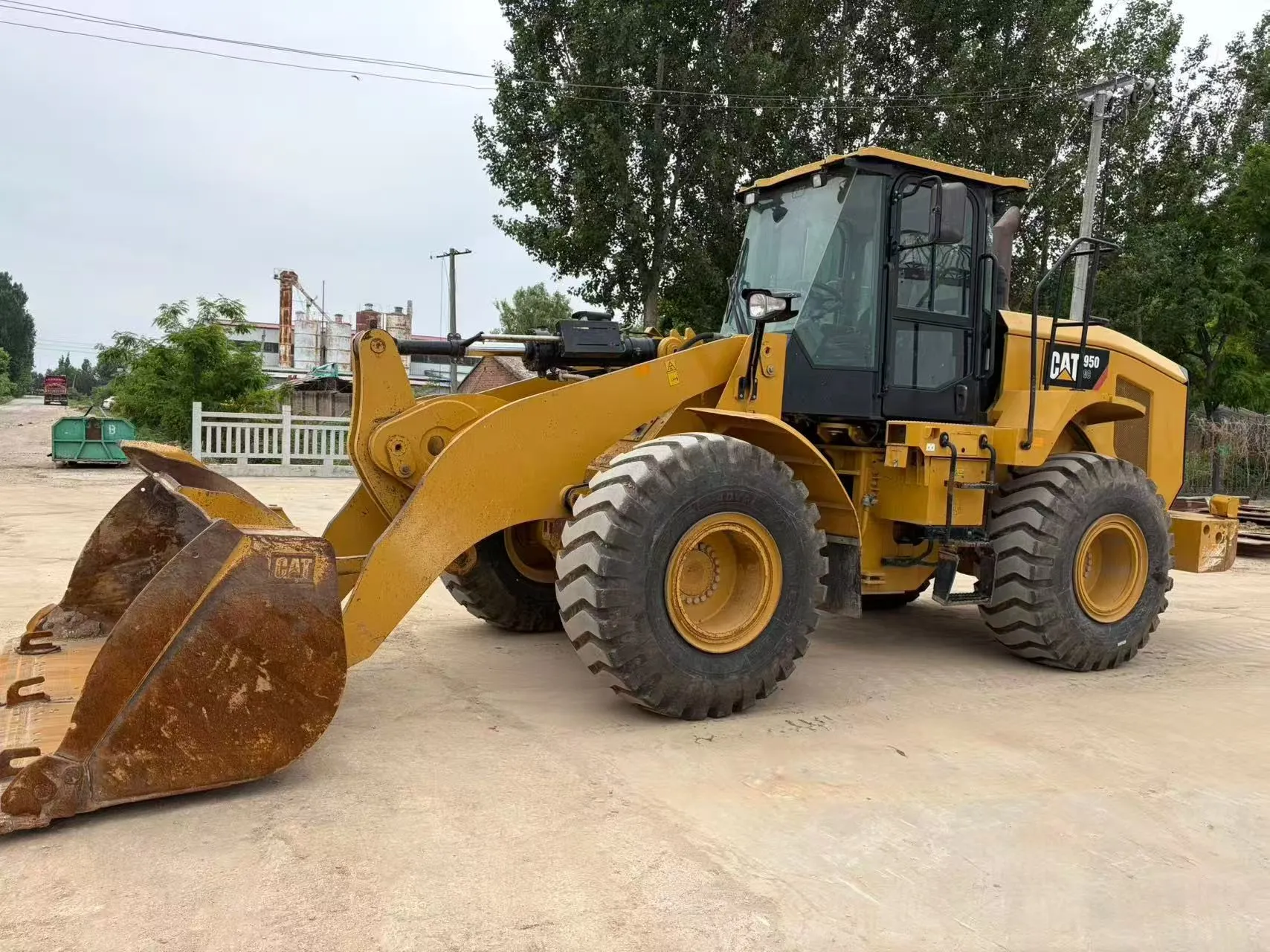
Cat 950 Loader: A Dependable Workhorse for Your Fleet
News Details
Cat 950 Loader: Features, Weight, and Buying Considerations
The Cat 950 loader is a wheel loader designed for material handling, loading, and general construction applications. Its combination of operating capacity, hydraulic performance, and operator comfort makes it suitable for a range of demanding job site tasks. For equipment buyers and fleet managers, understanding its key features, operating weight, and purchasing considerations can help determine whether this model meets their operational requirements.
Why the Cat 950 Loader Stands Out
The Cat 950 loader is designed to handle demanding material-handling tasks with consistent performance. It can be used for loading trucks, moving aggregates, handling stockpiles, and feeding crushing equipment. Its hydraulic system supports efficient bucket operation, while the articulated steering design helps the machine maneuver across different working areas. Versatility is another important advantage. Depending on the configuration and compatible work tools, the loader can handle different materials and applications with suitable buckets and attachments. This flexibility allows contractors to use one machine across multiple tasks rather than relying on separate equipment for every operation. Operator comfort and visibility also influence daily productivity. The cab layout, seating, controls, and monitoring displays are designed to support operators during extended working hours. A comfortable operating environment can help reduce fatigue and improve control, particularly when the machine performs repetitive loading cycles. Long-term performance depends on proper operation and maintenance. Regular inspections, timely servicing, and suitable operating practices help protect major components and reduce avoidable downtime. Buyers should also consider local parts availability and dealer support when evaluating the machine's long-term ownership value.
Understanding the Cat 950 Loader Weight
The Cat 950 loader weight is an important specification for equipment selection, transportation, and job site planning. Operating weight varies depending on the model generation, bucket, tires, counterweights, and other installed equipment. Buyers should therefore refer to the manufacturer's specifications for the exact configuration rather than relying on a single general weight figure. Machine weight also affects stability, traction, and working performance. A properly configured wheel loader needs sufficient operating weight and suitable weight distribution to handle bucket loads safely. However, stability is influenced by several factors, including load position, attachment type, ground conditions, and operating technique. Operators should always follow the rated capacity and load limits specified for the machine. Transportation requirements deserve equal attention. Fleet managers need to confirm the machine's actual transport weight, overall dimensions, and applicable axle load limits before arranging delivery. Trailer capacity, loading equipment, road restrictions, and local regulations may all affect transportation planning. When comparing the Cat 950 with other wheel loaders, consider operating weight alongside rated operating capacity, bucket capacity, tipping load, and engine performance. These specifications provide a more complete picture of what the machine can handle under actual working conditions.
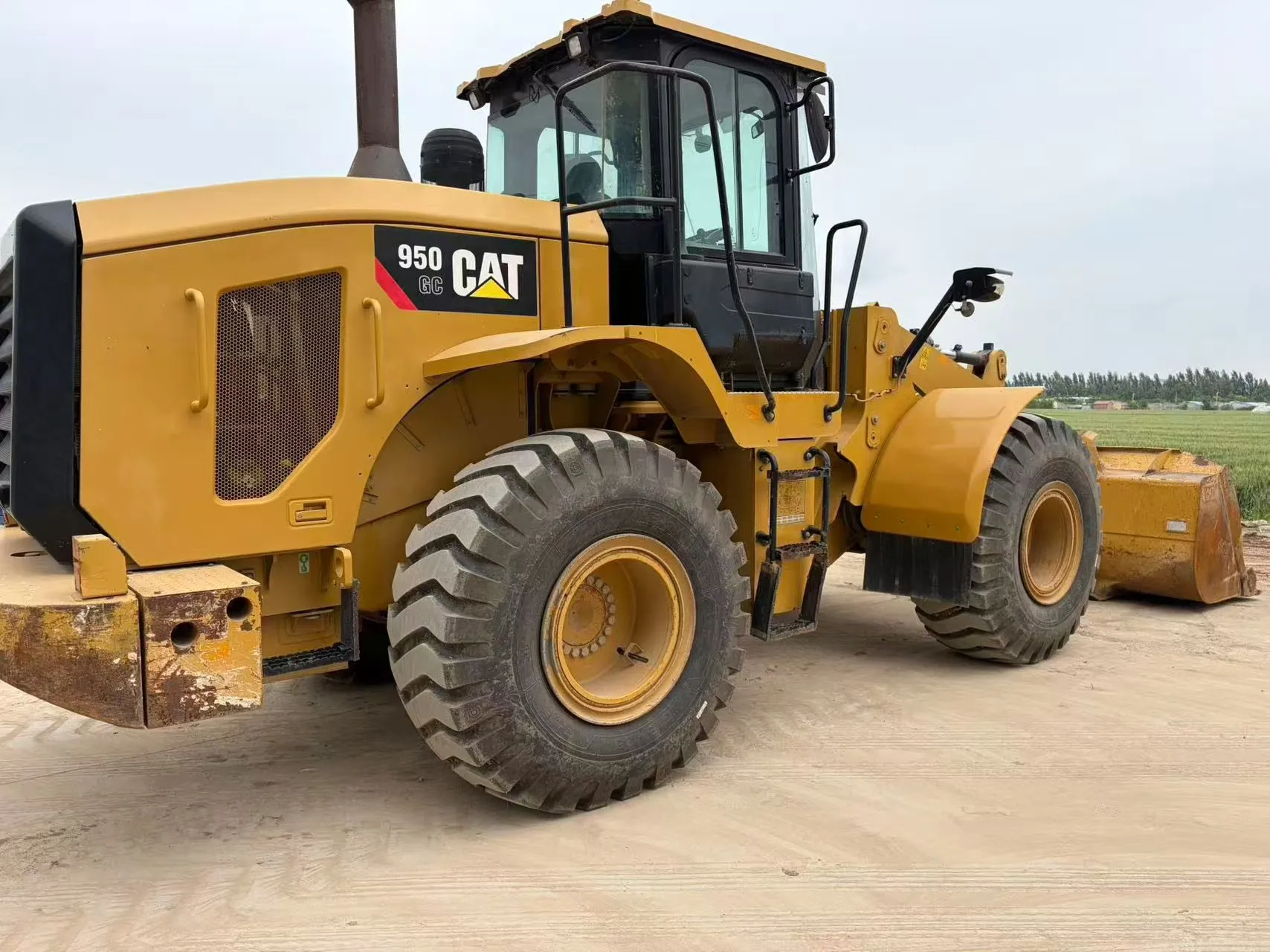
A Closer Look at the Caterpillar 950 Loader
The Caterpillar 950 loader is built for regular material-handling work in construction, aggregate processing, and other industrial environments. Its powertrain, hydraulic components, and structural design are intended to support demanding operating cycles. Actual performance and available features may differ between model generations, so buyers should check the specifications of the particular unit they are considering. Maintenance accessibility is another factor worth evaluating. Routine service involves checking engine oil, coolant, hydraulic fluid, filters, tires, and other wear components according to the manufacturer's maintenance schedule. Accessible service points can make inspections more convenient and help maintenance teams complete routine work efficiently. The operator environment should also be assessed during a machine inspection. Check cab visibility, seat condition, control response, instrument displays, and the operation of key systems. For used equipment, a test run can help identify unusual noise, hydraulic response issues, transmission problems, or other signs that require further inspection. Dealer support and parts availability can influence the machine's total cost of ownership. Buyers should confirm whether genuine parts, technical assistance, and maintenance services are accessible in their operating region. A well-maintained machine with reliable service support can be a more practical investment over its working life.
Finding a 950 Cat Loader for Sale
When searching for a 950 Cat loader for sale, buyers should compare machine condition and configuration rather than focusing on price alone. Request the model year, serial number, operating hours, service history, and available inspection records. These details help establish the machine's background and make it easier to compare different offers. A professional inspection is particularly important when purchasing used equipment. Examine the engine, transmission, hydraulic system, axles, tires, bucket, lift arms, and articulation joints for signs of wear or damage. Review maintenance records and arrange an operational test to check the machine's performance under working conditions. Any unclear service history or unusual operating behavior should be investigated before completing the purchase. Buyers should also confirm the terms of sale, including warranty coverage, spare parts support, payment arrangements, and delivery responsibilities. For international purchases, documentation, export requirements, shipping arrangements, and destination-country import regulations should be clarified in advance. Comparing quotations from several qualified suppliers can help identify a suitable machine at a reasonable total cost. Consider the purchase price together with inspection expenses, transportation, maintenance requirements, and potential repairs. With verified equipment information and a reliable supplier, buyers can make a more informed decision when adding a Cat 950 loader to their fleet.