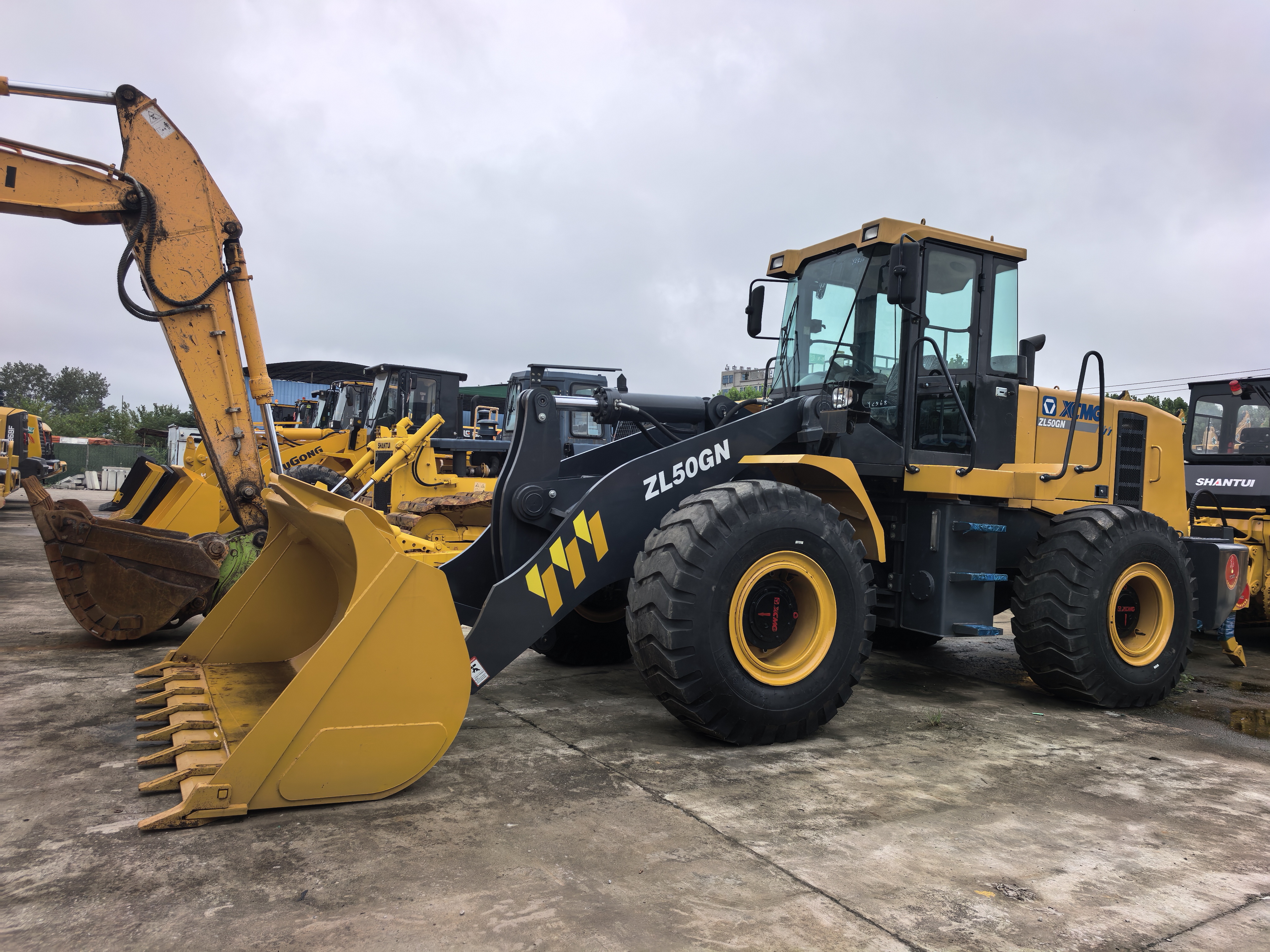
Cat Loader Guide: Select the Right Cat Wheel Loader
News Details
Choosing the Right Cat Loader for Heavy-Duty Work
Construction sites require reliable machines that can handle tough workloads throughout the day. A Cat loader is commonly used for material handling, earthmoving, and other heavy-duty applications, making it a popular choice for contractors and construction businesses. Selecting the right model can improve job site productivity, simplify daily operations, and protect long-term equipment value.
Why Choose a Cat Loader for Construction Work?
A Cat loader provides the lifting force and hydraulic performance needed for a wide range of material handling tasks. Depending on the model and setup, it can efficiently move gravel, sand, soil, aggregates, and other bulk materials. Strong components and a reliable powertrain also help the machine handle demanding working conditions, while regular maintenance plays an important role in preserving long-term performance. Operator comfort is another important factor. A well-designed cab with practical controls, good visibility, and ergonomic seating can help reduce fatigue during long shifts. Smooth hydraulic operation also gives operators better control when loading trucks, moving materials, or working in tight areas. Different bucket configurations allow Cat loaders to handle various materials and job site requirements. Choosing the right bucket capacity and machine size can help reduce unnecessary loading cycles and improve work efficiency. Fuel consumption should also be considered, as it directly affects the total cost of running equipment over long working hours.
Compare Cat Wheel Loader Models
Cat wheel loaders come in different sizes and configurations to suit a variety of applications. Compact models are useful for smaller construction sites, landscaping projects, and operations where maneuverability is important. Larger machines offer greater material-handling capacity and are better suited to demanding work involving high-volume loading and material movement. When comparing models, pay close attention to operating weight, bucket capacity, rated operating capacity, lift height, and dump clearance. These specifications determine whether a machine can handle your typical materials and load trucks or storage hoppers effectively. It is also important to check attachment compatibility if your operation requires forks, specialized buckets, or other work tools. Ground conditions and site layout should also influence your decision. Wheel loaders offer good mobility and are suitable for many construction, quarrying, and material-handling applications. For muddy, uneven, or particularly soft terrain, a tracked machine may be a more suitable option depending on the working conditions. Cab visibility, steering response, and control layout are also worth evaluating before choosing a model.
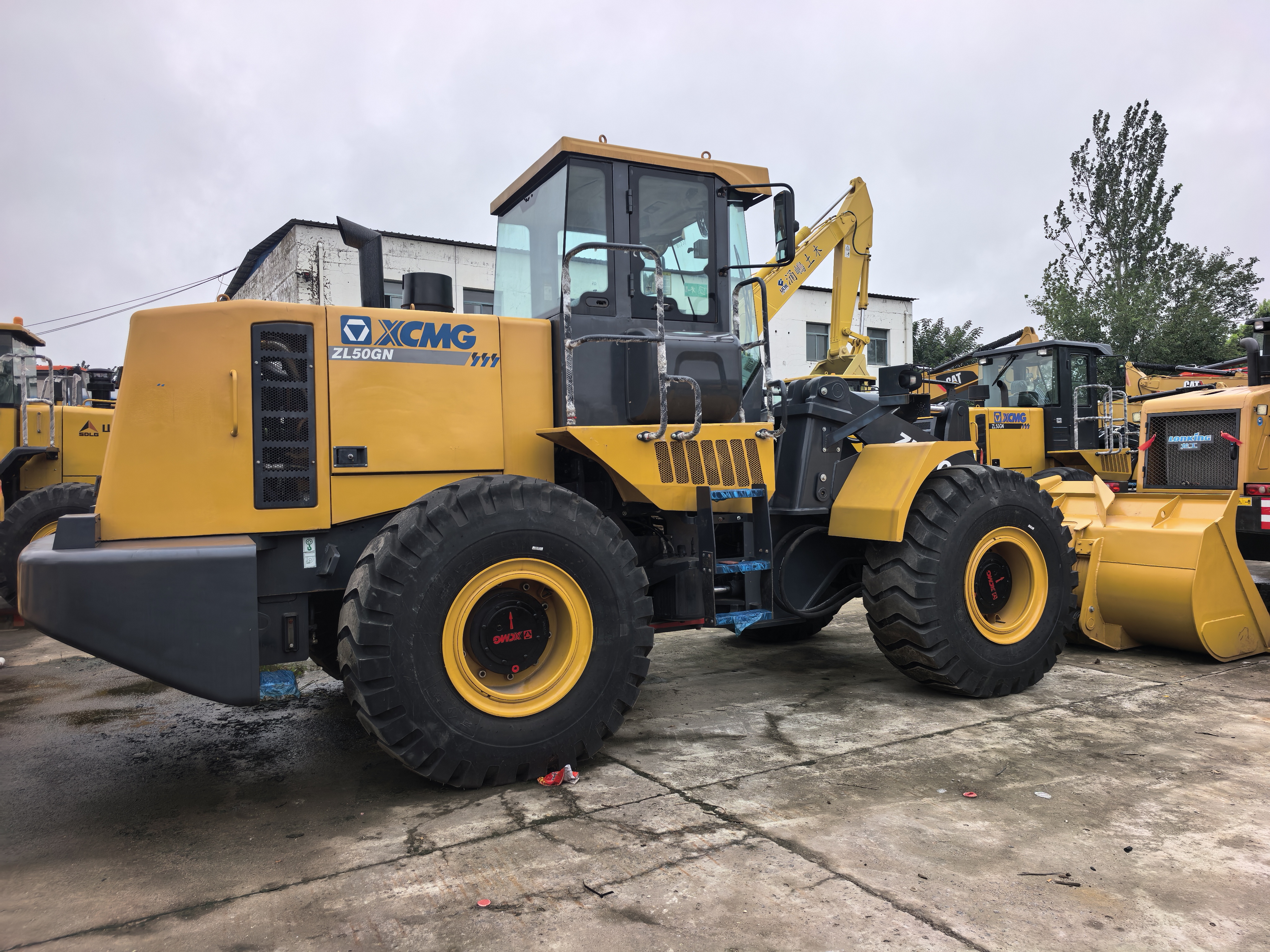
Tips for Buying Cat Loaders
A thorough inspection is essential when buying a used Cat loader. Check the engine, transmission, hydraulic system, axles, tires, and major structural components for signs of wear, leakage, or damage. Pay special attention to the bucket, lift arms, pins, and hydraulic cylinders, because repairs to these parts can significantly increase ownership costs. Maintenance records provide useful information about the machine's operating history. Review service documentation, previous repair records, operating hours, and ownership details whenever available. Compare the recorded hours with the machine's overall condition, and arrange a professional inspection if you are unsure about its mechanical condition. A test run can reveal problems that are not immediately obvious during a static inspection. Check engine response, transmission shifting, steering, braking, hydraulic movement, and unusual noises during operation. For tracked equipment, inspect the undercarriage, track links, rollers, and sprockets. For wheel loaders, check tire condition and look for uneven wear. Buyers should also confirm the machine's model year, serial number, configuration, and relevant documentation before completing a purchase. Clear service records and transparent equipment history make it easier to assess the machine's condition and reduce the risk of unexpected repair costs.
Find the Right Cat Loader for Your Job Site
The best Cat loader depends on your typical materials, daily workload, site conditions, and available budget. Start by choosing a suitable bucket size and checking whether the machine's rated capacity matches your loading requirements. A machine that is too small may require more loading cycles, while an oversized model can increase fuel and operating costs without providing meaningful benefits. Supplier support is another important part of the purchasing decision. Compare quotations from multiple equipment suppliers and ask about machine condition, warranty coverage, spare parts availability, delivery arrangements, and technical support. If possible, arrange a demonstration to evaluate operating performance under conditions similar to your actual work. Long-term ownership costs should include fuel, filters, routine servicing, replacement parts, and possible downtime. Buyers considering used equipment should also account for possible repairs and component replacement. Financing and rental options may provide extra flexibility for businesses with different project schedules and cash flow requirements. With careful model selection and a reliable supply partner, a Cat loader can become a valuable part of your construction equipment fleet. Focus on practical specifications, verified machine condition, and long-term service support to make a purchasing decision that fits your operation.