Motor Grader Guide: Choosing the Right Road Grader for Your Site
News Details
Motor Grader Basics: How to Build a Better Road Surface
Every road project begins with a level foundation. Without a flat, properly compacted subgrade, subsequent paving steps face continuous delays—and this is precisely where the motor grader proves its value. Modern graders seamlessly combine high horsepower with extreme precision, handling dirt, gravel, and snow clearings all in a single shift. Site managers have relied on them for decades to establish precise project baselines. Beyond the road itself, a properly graded surface improves overall site safety for hauling crews while ensuring every project delivers a clean, professional finish.
What Is a Motor Grader?
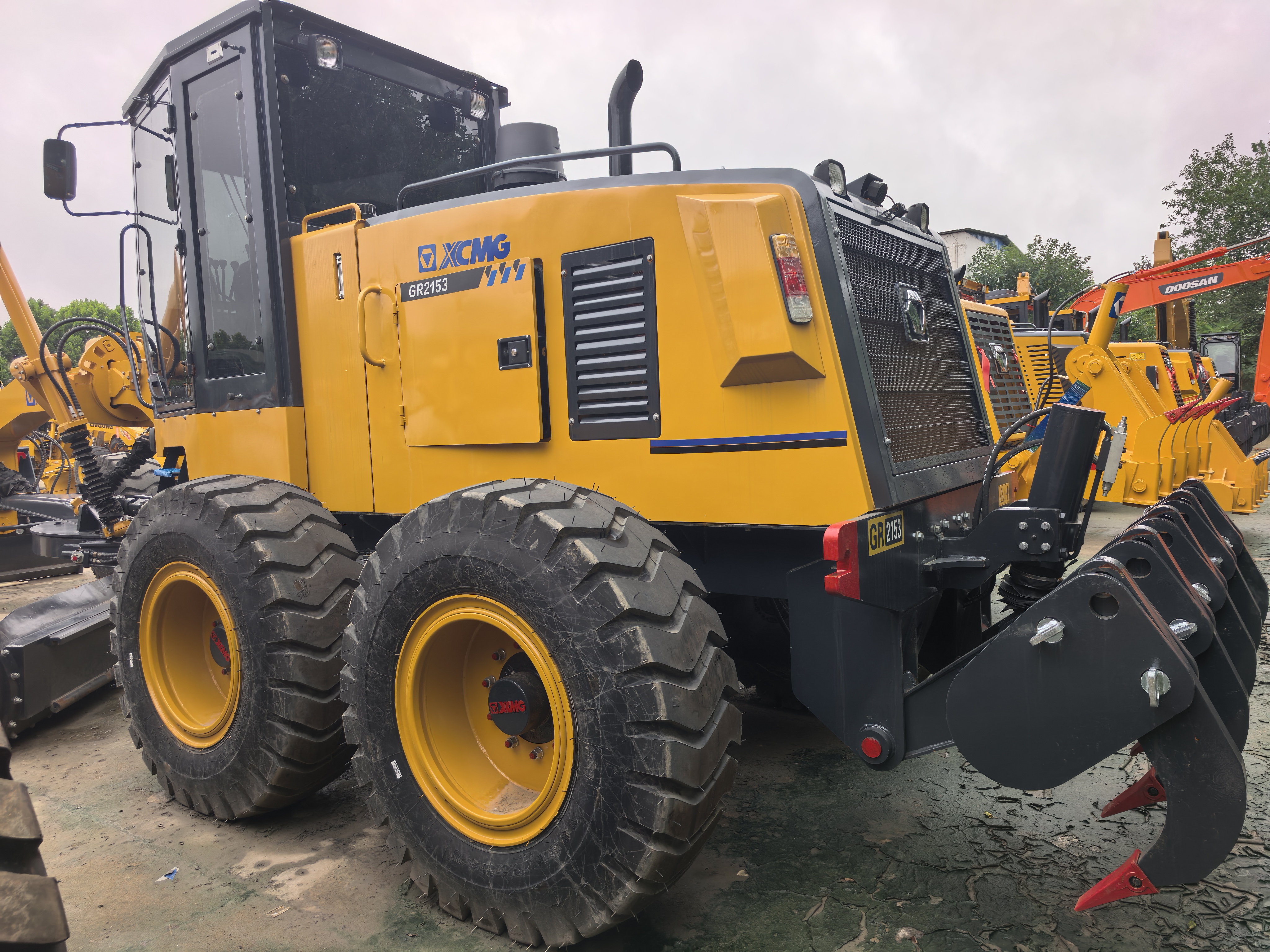
A motor grader shapes the terrain beneath heavy machinery, using a long moldboard to cut, spread, and level dirt, gravel, and asphalt in a single pass. Contractors rely heavily on graders to achieve final precision grade on roadways and building pads. This equipment delivers a refined finish that other earthmoving machines simply cannot replicate. The moldboard pitches, tilts, and rotates in multiple directions, allowing skilled operators to maintain tight tolerances with clear lines of sight from the cab. Motor graders easily adapt to diverse site conditions—whether cutting ditches, bank-sloping, or clearing snow. Each application calls for a specific blade angle, ground speed, and operator technique. Built with heavy-duty frames and high-torque engines, these machines remain stable on rough terrain. Larger models cover more square footage per hour, while quick-attach front equipment—such as front blades or rear rippers—adds massive operational versatility. When comparing models, buyers typically evaluate moldboard length, cab ergonomics, and operating costs to ensure the machine aligns with their project demands.
Why a Road Grader Boosts Site Efficiency
Smooth, well-maintained haul roads speed up entire job-site cycles. Trucks burn less fuel and move faster on level ground, directly boosting daily output. Machine setup and operator skill dictate overall efficiency. A well-tuned blade cuts clean and fast, reducing tire wear and mechanical stress on scrapers, loaders, and haul trucks. Proper initial grading eliminates unnecessary rework, allowing paving crews and sub-contractors to step in on schedule and save valuable working hours. Beyond speed, precise grading ensures proper site drainage. Crowned surfaces and clean ditches channel water away from the roadbed, preventing washouts and expensive structural damage down the line.
How to Choose the Right Grader Machine
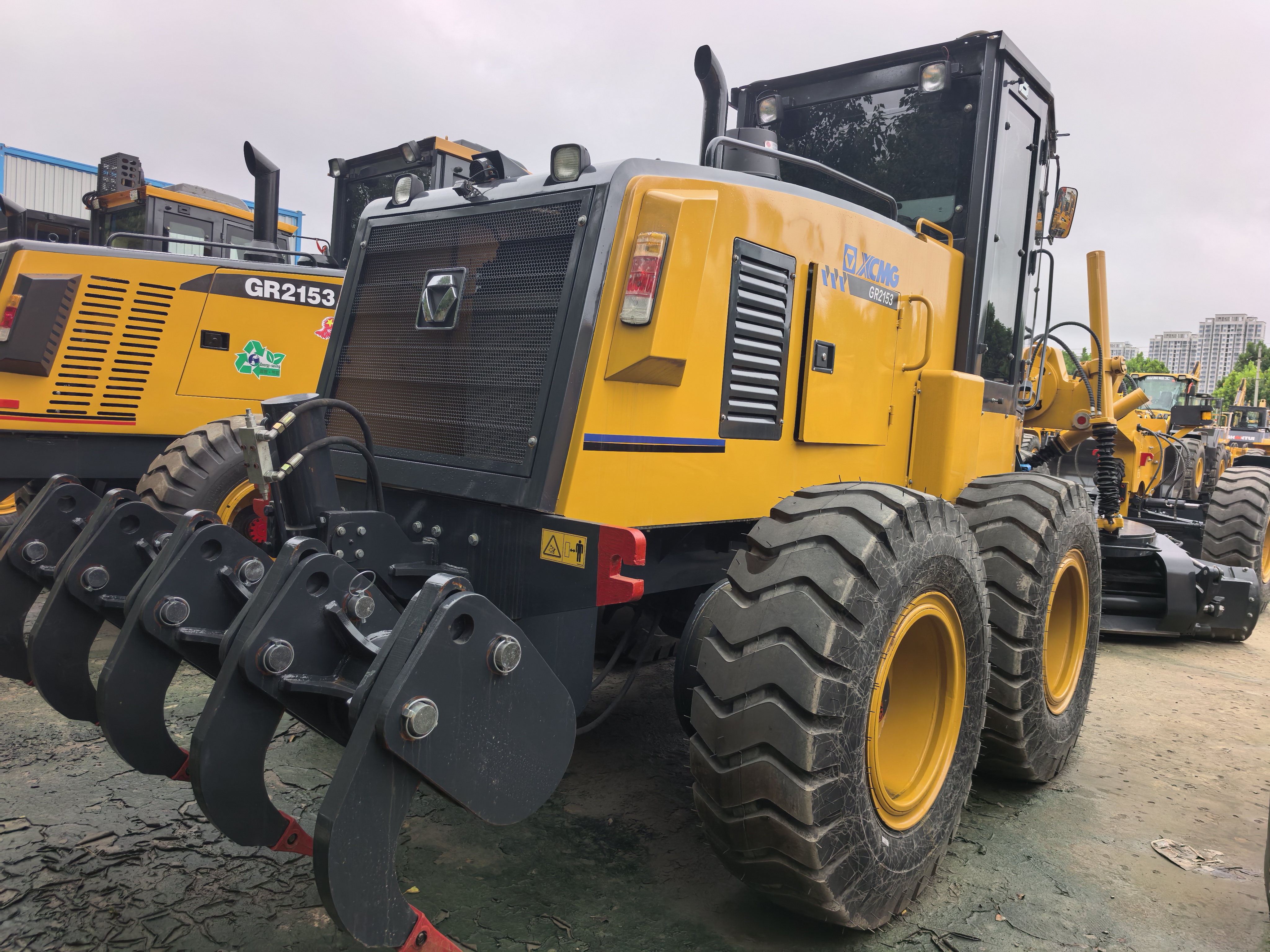
Selection starts with your typical project scope. Confined municipal job sites suit compact graders, whereas major highway construction demands high-horsepower, heavy-frame units. Horsepower is only part of the equation—cab comfort and all-around visibility are critical for keeping operators alert and accurate throughout long shifts. Support networks matter just as much as machine specs. Partnering with a dealer who offers fast parts availability and local service minimizes costly downtime. Evaluate lifetime value by comparing fuel consumption, engine power, moldboard size, and historical resale value. Established equipment brands tend to hold their capital value far better over time. Finally, always schedule a field demonstration before purchasing. A live test drive reveals subtle hydraulic response, steering articulation, and cab comfort issues that brochures never show.
Maintaining Your Motor Graders for the Long Run
Preventative maintenance extends machine lifespan significantly. Inspecting moldboard wear strips, checking fluid levels, and greasing linkage points daily keeps minor wear from turning into major breakdowns. Implementing a structured service schedule is always more cost-effective than unexpected component replacement. Catching minor hydraulic leaks or frame cracks early protects your capital investment. Invest in operator training. Skilled drivers operate graders smoothly, reducing structural stress on the frame while catching early mechanical warnings before failures occur. Keeping fast-wear parts—like cutting edges, end bits, and filters—in local stock cuts unexpected downtime in half. A quality motor grader remains a vital asset for any serious earthmoving fleet. By investing in the right machine and maintaining it properly, your projects run smoother, faster, and more profitably.