Small Excavator Selection Guide: Caterpillar Mini vs Big Models
News Details
Understanding Small Excavator Applications
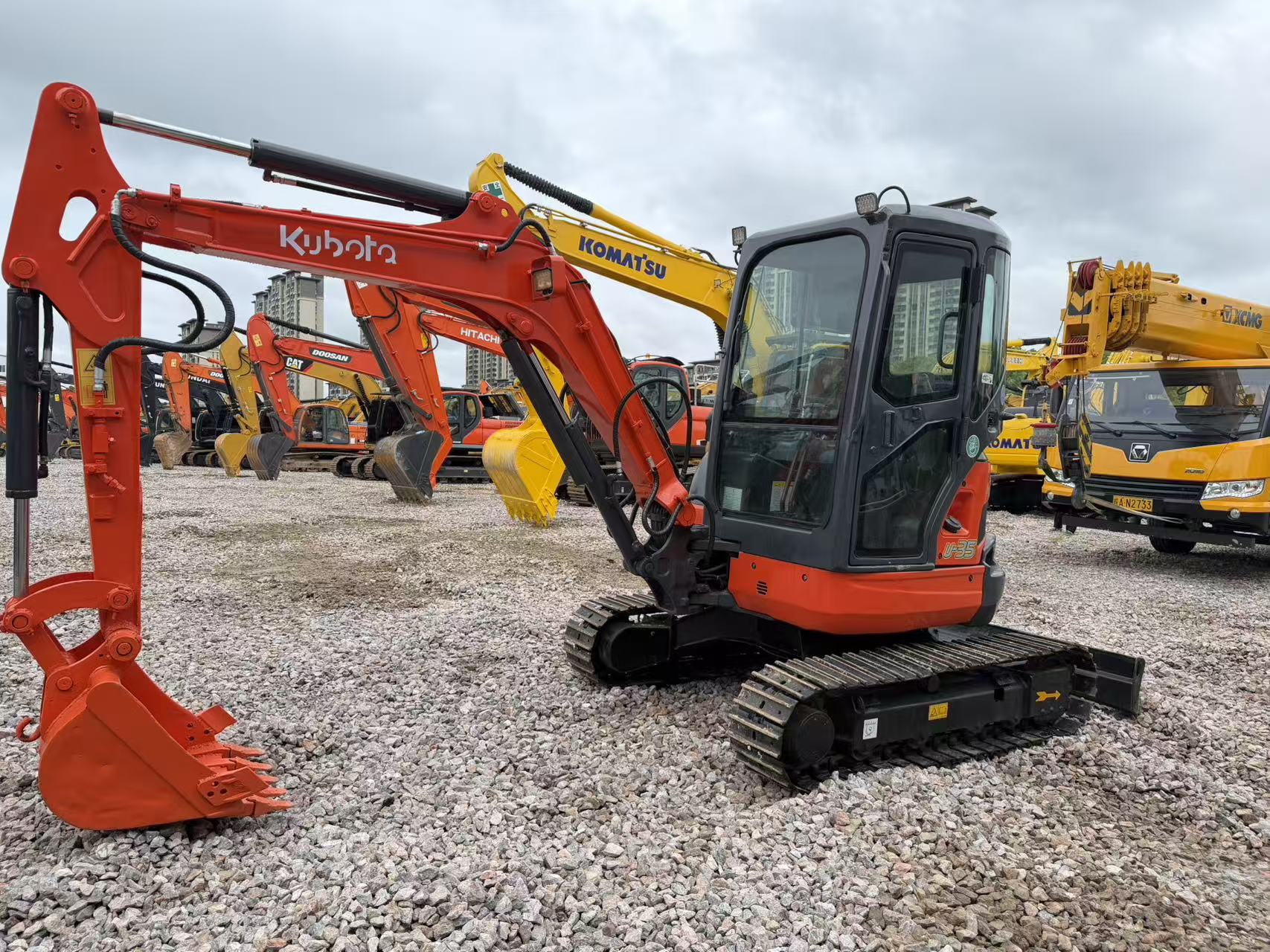
Small excavators handle trenching, foundation work, and utility installations in tight urban spaces with impressive precision. Their lighter operating weight minimizes ground damage, making them ideal for work on finished turf or paved surfaces. Cat mini excavators lead the market in reliability and global parts availability. With local dealers stocking common components, job-site downtime stays minimal. That high level of operational support is why seasoned contractors consistently rely on Cat compact machinery year after year. Rental yards now stock compact excavators in growing numbers nationwide. Renting allows contractors to evaluate different tonnage sizes on live job sites before committing to a full purchase, ensuring project managers match the ideal machine size to their specific job requirements.
Comparing Small and Large Excavator Models
Large Cat excavators dominate heavy mining, mass earthmoving, and highway construction projects. While these large-scale machines move earth at rates no compact unit can match, their fuel consumption and heavy transport logistics add significant overhead to project budgets. By comparison, a small excavator operates on far less fuel while providing ample breakout force for general site work. Transporting a mini unit requires only a standard trailer and a heavy-duty pickup truck, simplifying daily job-site logistics. Heavy demolition and deep excavation jobs still demand full-size excavators for their extended reach and maximum hydraulic power. Small excavators, on the other hand, excel at multi-tasking when paired with specialized attachments like hydraulic breakers, post-hole augers, and tilt buckets. Long-term maintenance expenses also scale up quickly with large excavators. Replacing a single hydraulic pump or main valve on a 30-ton unit can equal months of machine payments, leading fleet managers to evaluate lifecycle operating costs carefully before expanding their heavy equipment lineups.
Key Features to Evaluate Before Purchase
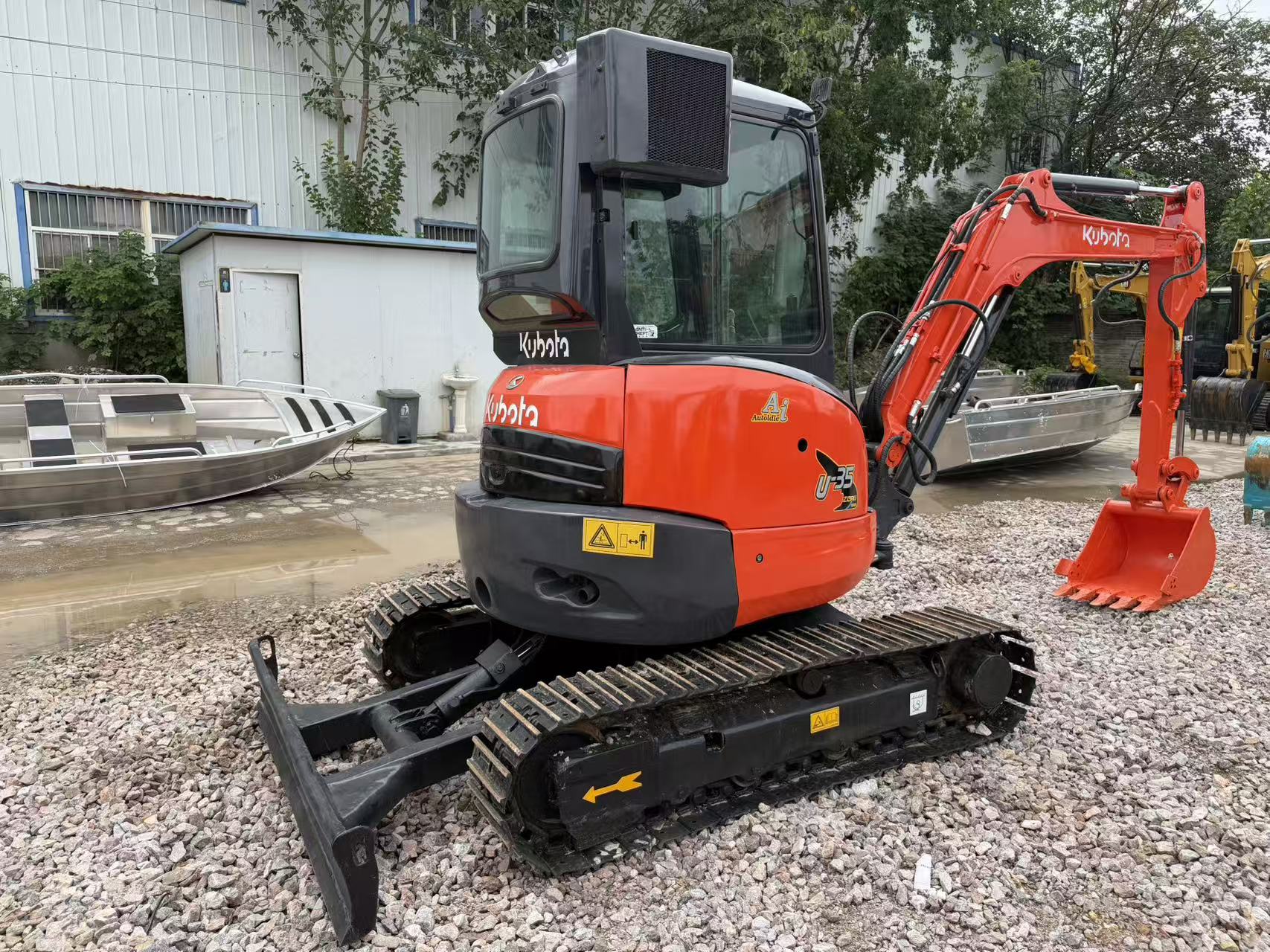
Maximum digging depth is a critical specification when evaluating compact excavators. Confirm that the boom and stick configuration reaches your typical trenching and utility depths, and verify that bucket capacity aligns with your daily earthmoving targets. Attachment compatibility transforms a basic excavator into a versatile multi-purpose carrier. Auxiliary hydraulic flow rates dictate how efficiently a breaker, plate compactor, or auger will operate. Always verify that Cat mini excavators support the exact flow and pressure requirements of your planned attachments. Operator comfort directly impacts daily productivity. Enclosed cabs equipped with air conditioning, adjustable suspension seats, and clear sightlines reduce operator fatigue and minimize expensive job-site errors. Daily service accessibility should also play a key role in your purchasing decision. Ground-level access to filters, grease points, and fluid dipsticks makes daily checks quick, keeping the machine working productively on site rather than sitting in the shop.
Making the Right Investment Decision
Choosing the right machine requires balancing immediate job requirements against total cost of ownership. Taking time to compare compact excavators alongside full-size production units prevents costly fleet missteps down the road. Resale values for compact equipment remain exceptionally strong in the used machinery market. Well-maintained Cat mini excavators retain high equity over time, delivering better overall return on investment when it comes time to trade up. Consult with regional equipment dealers and current machine owners before signing a sales contract. Real-world feedback from active job sites provides practical insights that brochures and spec sheets cannot capture. Flexible financing options—including low-interest capital loans and structured lease programs—make acquiring a new small excavator easier on working capital. Choosing the right financing package turns a smart equipment investment into a highly profitable fleet asset.