The Complete Motor Grader Buying Guide
News Details
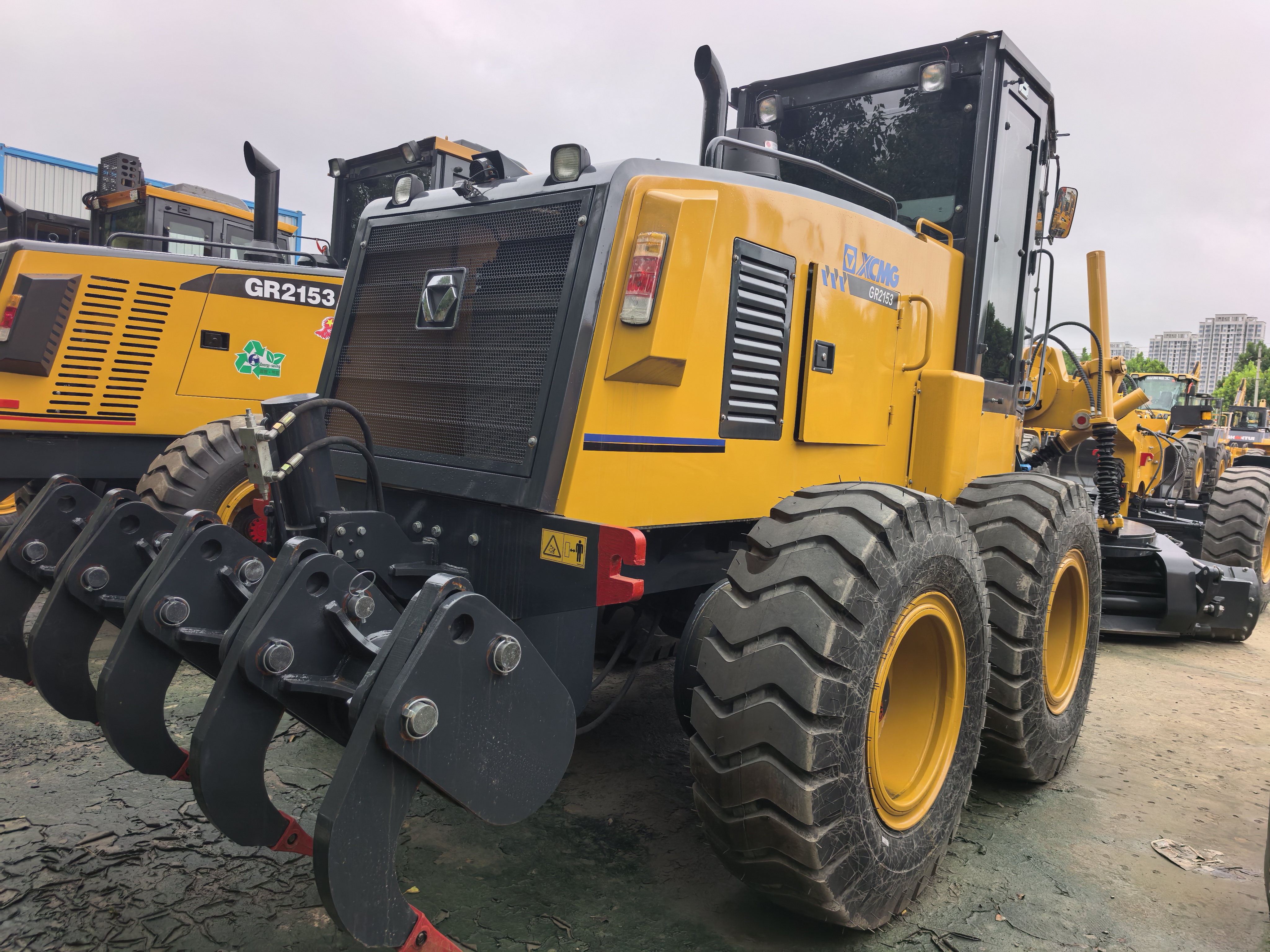
Heavy equipment dictates project timelines, and when it comes to delivering a smooth, precise surface, nothing compares to a motor grader. It levels roads, building pads, and job sites with exceptional accuracy. At its core, a motor grader relies on a long moldboard positioned under its frame to cut, spread, and level material in a single pass. While heavy excavators handle the initial rough earthmoving, the grader steps in to bring the surface to exact tolerances. Throughout the process, the cab design gives operators full visibility of the working edge. The blade can angle, tilt, and rotate, making quick work of ditches, slopes, and road shoulders. That degree of flexibility allows one machine to handle a wide range of tasks. While motor graders aren't built for bulk excavation, they excel at precision finishing—making them the perfect partner for dozers, loaders, and scrapers. Machine sizes range from compact units to heavy highway models. Smaller graders work well for farms and rental fleets, so choosing the right fit comes down to your typical project requirements.
Why Every Fleet Needs One
Achieving a true final grade requires more than just a dozer or loader. A motor grader provides the precision finishing touch that many fleet owners overlook. Beyond new construction, graders keep gravel roads smooth and safe year-round, reducing wear and tear on haul trucks and everyday traffic. They are also essential for subgrade preparation, ensuring concrete and asphalt layers rest on a solid, stable foundation. That utility makes graders a staple for contractors, equipment rental companies, and municipalities handling seasonal road maintenance. In colder regions, graders even double as snow removal equipment when fitted with front-mounted wings, saving fleets the cost of dedicated winter machinery.
Key Features to Compare Before Buying
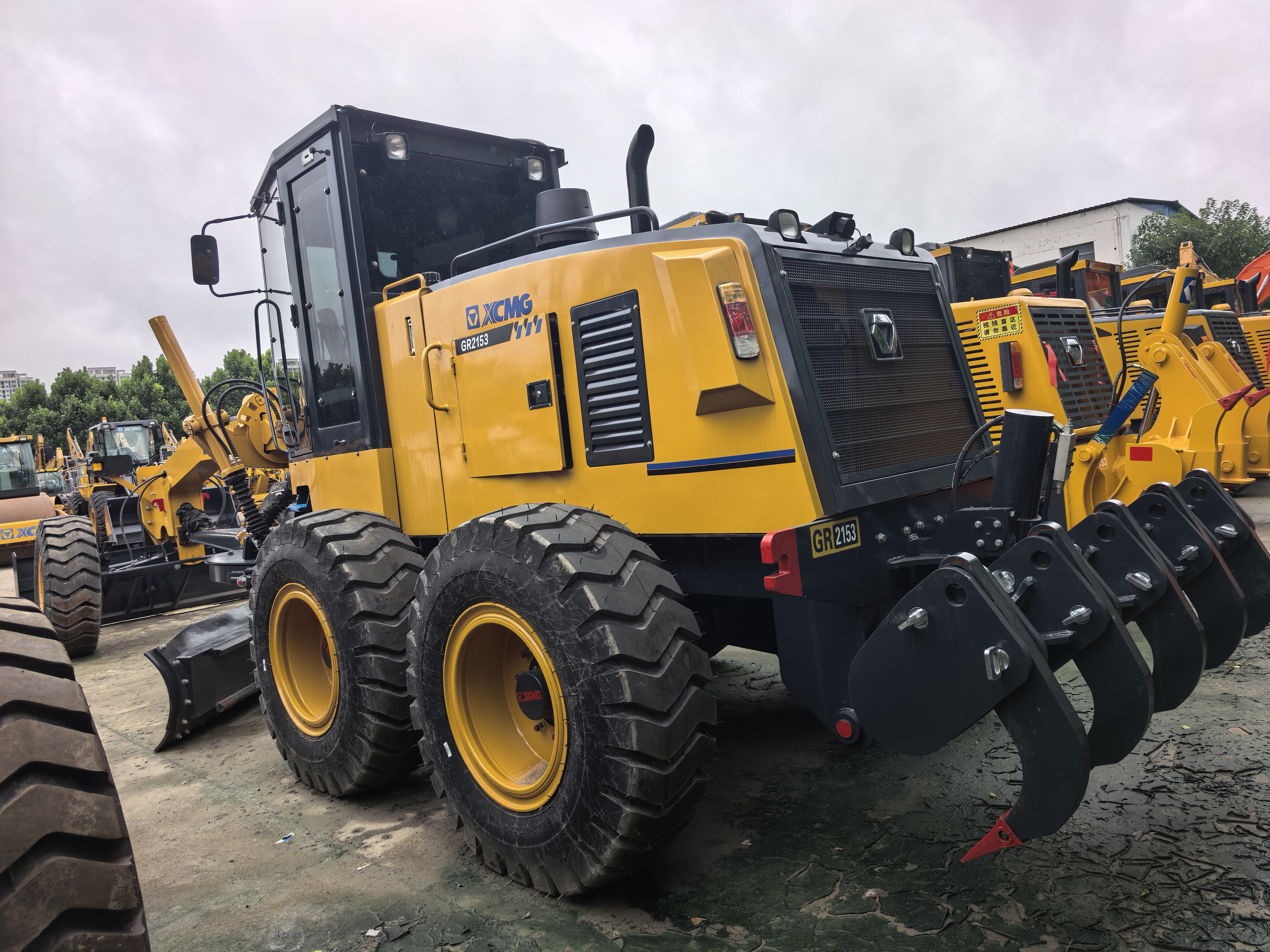
Moldboard length determines your working width—larger blades cover wider roads in fewer passes, so choose a size that fits your routine jobs. Engine horsepower directly impacts productivity when moving heavy material, though higher output naturally increases fuel consumption. Pay attention to the articulation joint. An articulated frame turns tighter and handles far better in confined spaces or around tight corners. Cab comfort plays a major role in daily output. An enclosed, quiet cab protects operators from dust and fatigue over long shifts. Evaluate the drivetrain as well. All-wheel drive provides crucial traction on soft ground or steep inclines, keeping the machine working where others get stuck. Finally, consider blade control technology and attachments. GPS or laser grading systems boost precision dramatically on large jobs, though they do add to the initial purchase price.
Purchase and Maintenance Essentials
Budget often dictates the choice between new and used equipment. While a used motor grader saves upfront capital, a thorough inspection is critical before committing. Always review complete service records and inspect the moldboard, hydraulic lines, and main frame for wear or stress. It's equally important to confirm local dealer support and parts availability to avoid costly downtime. Routine maintenance is what keeps a grader running for the long haul. Daily greasing and blade inspections prevent minor wear from turning into major repairs. Proper operator training is just as vital—knowing how to set blade angles correctly protects both the moldboard and the road surface. Before putting a used unit to work, verify that all safety features—including seat belts, lights, and mirrors—are fully functional. Regular seasonal checks on filters, belts, and fluid levels ensure the machine is always job-ready when demand peaks.