The Road Roller Guide: Types, Selection, and Buying Tips
News Details
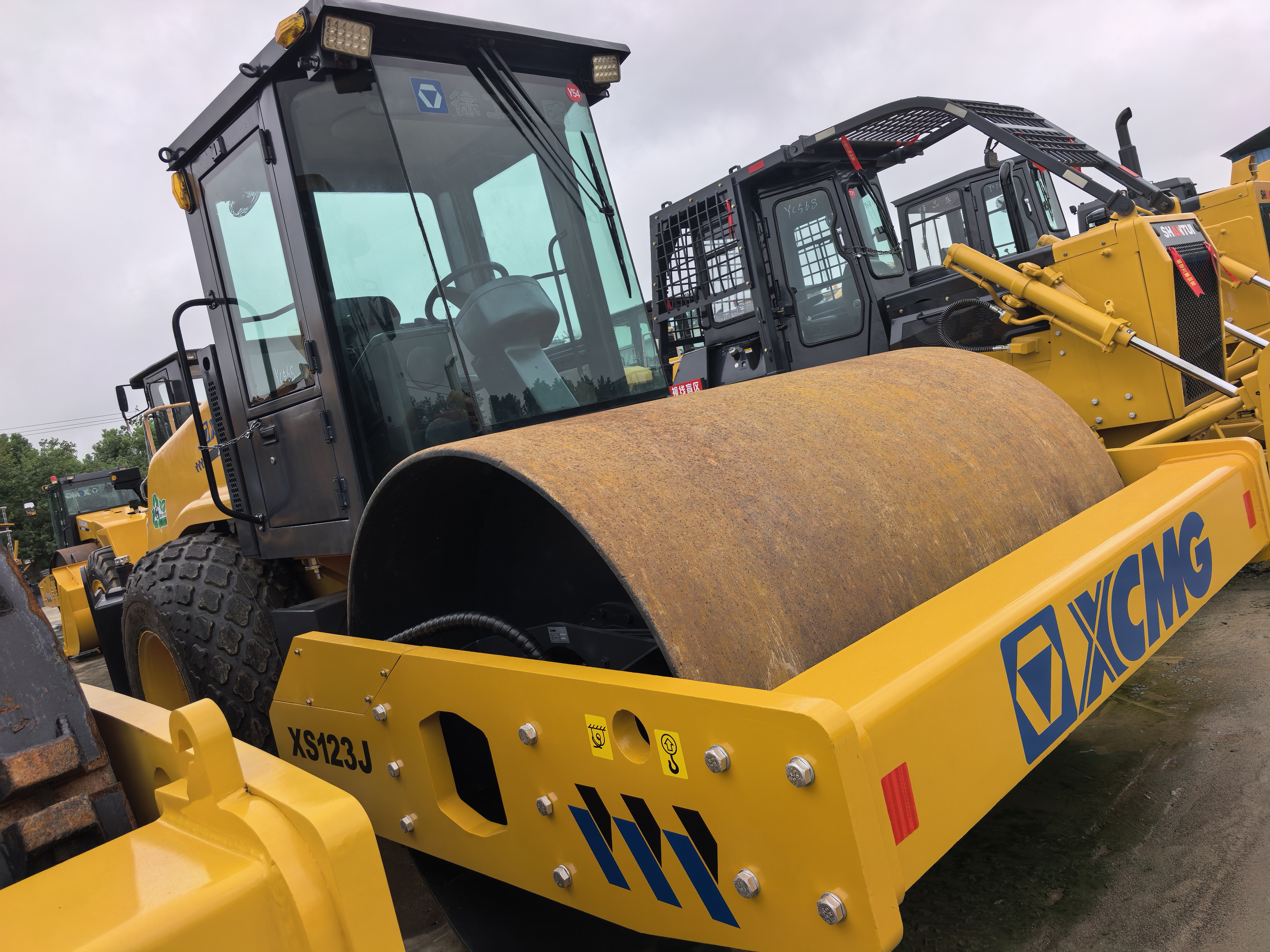
Road construction relies heavily on the road roller to compress soil, gravel, and asphalt into a stable foundation. Smooth rollers handle asphalt with precision, while padfoot rollers grip soft clay and cohesive soil with high compaction force. Regardless of the design, every roller serves the same critical purpose: building a base that lasts. Proper compaction removes air pockets, increases material density, and prevents future settling, cracking, or rutting. Without thorough compaction, asphalt and roadway bases would fail within months. Achieving the right density takes operator skill. Applying too little force leaves weak spots in the subgrade, while excessive pressure can damage underground utilities. Balanced pressure and consistent passes deliver a level, durable surface. Modern rollers make this precision work easier with smart control systems, dual vibration settings, and automated leveling technologies. These built-in features help operators of all experience levels deliver consistent, high-quality compaction on every shift.
Common Types of Rollers
Rollers come in several primary configurations tailored to different applications. Heavy-duty ride-on rollers deliver maximum compaction power for highways, airport runways, and large-scale industrial sites, while walk-behind models offer superior maneuverability for sidewalks, driveways, and patch repairs. Tandem rollers utilize two smooth steel drums to achieve a seamless finish on asphalt. Pneumatic rollers, fitted with rubber tires, provide the kneading action needed for specialized compaction tasks. Selecting the right configuration saves significant job-site time and operational costs. Compact rollers have earned a permanent spot in modern fleets due to their agility on tight urban job sites. Easy to transport on standard trailers, these smaller units still deliver impressive compaction performance, making them ideal standby machines for quick repair jobs. Equipment manufacturers continue to expand their roadway roller lines. Options range from versatile combo rollers (featuring smooth front drums and padfoot rear tires) to fuel-efficient, low-emission models that meet strict site environmental standards.
How to Select the Right Roller
Machine selection starts with your project scope and ground conditions. Large highway jobs demand high-capacity heavy rollers, while confined urban sites require compact agility. Soil characteristics dictate the roller format: cohesive clay requires padfoot pressure, while granular soils and aggregate respond best to smooth vibrating drums. Job-site logistics and total budget also guide the decision. New rollers offer full warranty protection and maximum uptime, whereas quality used units provide excellent ROI for smaller contractors. If renting, factoring in transportation costs is essential, as heavy equipment freight can quickly impact project margins. Finally, align your machinery purchase with long-term workload projections. A busy paving contractor needs a durable, daily workhorse, while a growing business should choose a versatile model capable of handling larger upcoming contracts.
Buying Tips for Compact Rollers
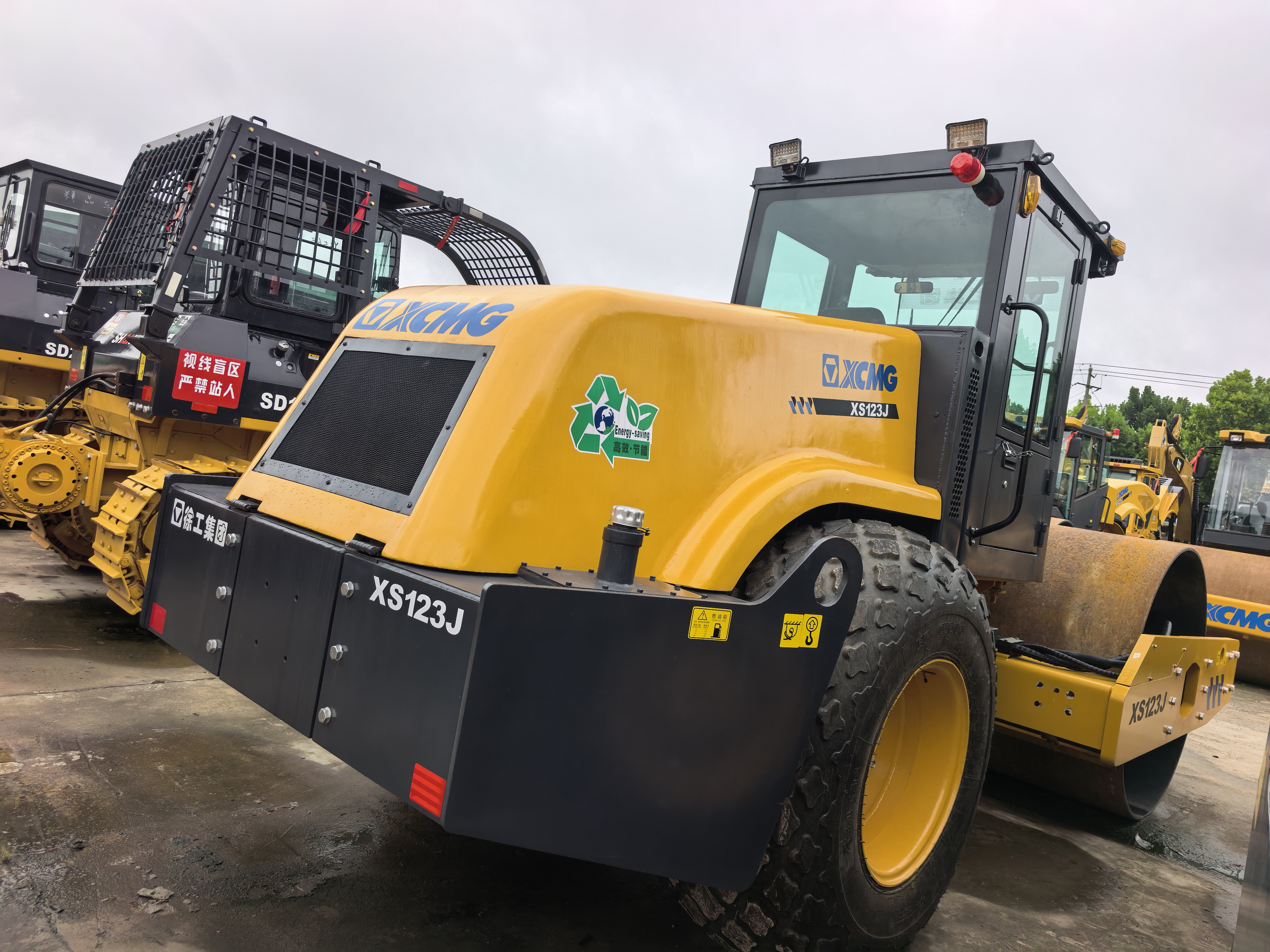
When inspecting compact rollers—especially used models—start by verifying engine hours and checking for hydraulic leaks, frame rust, or worn drum scrapers. Test all vibration and steering controls to ensure the machine operates smoothly under load. Always request full maintenance records and confirm spare parts availability in your operating region. Purchasing from a reputable dealer who provides written warranty coverage safeguards your capital investment. Operating weight is another critical factor. Heavier models compact deeper layers in fewer passes, while lighter units excel on soft or sensitive ground. Match the machine weight to your typical lift thickness, compare quotes across trusted vendors, and always conduct a hands-on field demo before buying. A quality roller is a long-term investment in your business reputation. By matching the machine to your actual job-site needs, you ensure smooth site operations and a rock-solid foundation for every project.